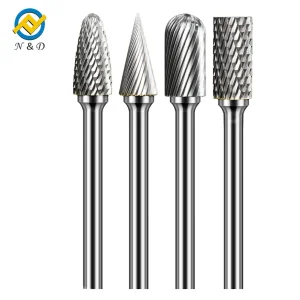
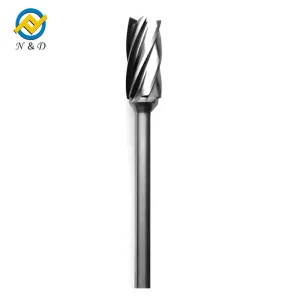
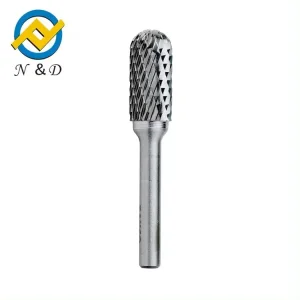
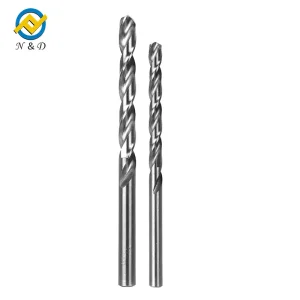
Highly optimized configurations engineered for robust material removal rates and extreme operational lifetimes.
In modern industrial applications, the requirements for surface treatment, deburring, and micro-machining tolerances are stricter than ever before. Across the key manufacturing clusters of the UK capital—ranging from the high-tech defense engineering labs in the Home Counties to the heavy structural refitting yards operating along the Thames Gateway and the advanced aerospace manufacturing facilities surrounding Heathrow airport—precision material removal is a fundamental driver of engineering throughput.
Tungsten Carbide Rotary Burrs represent the absolute pinnacle of high-velocity rotational grinding and milling media. Operating at speeds often exceeding 30,000 RPM, these specialized rotary files are subjected to monumental shear stresses, extreme thermal surges, and highly abrasive structural materials including hardened tooling steels, titanium components, cobalt superalloys, and carbon fiber composites. For engineers operating within the greater London industrial sector, utilizing low-grade tooling is an operational risk that compromises tool life, operator safety, and component integrity.
This comprehensive technical whitepaper explores the critical physics, engineering considerations, procurement specifications, and regional logistics patterns that dictate high-efficiency finishing and deburring throughout the London, UK and global engineering supply chains.
Addressing localized supply chain challenges, regulatory frameworks, and delivery capabilities in the UK post-Brexit market.
The concentration of advanced defense manufacturers and tier-1 aerospace suppliers operating in the outer-London orbital belt requires incredibly tight quality assurance. Our aerospace-grade rotary burrs feature high-temperature resistant brazed joints and specialized double-cut flutes designed to manage thermal loads when processing high-nickel titanium alloys.
In accordance with HSE guidelines and BS EN ISO standards for rotating machinery, our entire manufacturing pipeline implements non-destructive ultrasonic defect scanning. Every shank is clearly marked with its maximum operational RPM threshold to prevent catastrophic material failure and operator injury under load.
Utilizing local storage networks and specialized logistics corridors across London (including direct line hauls to Croydon, Watford, Enfield, and Dagenham), we ensure next-day and express delivery of critical production tooling, keeping factory floor downtime to a bare minimum.
Founded in 2004, our enterprise is a premier, ISO 9001-certified manufacturer of high-performance tungsten carbide materials. Headquartered in the major chemical and raw materials capital of Guanghan, Sichuan Province, China, we operate state-of-the-art research laboratories and massive structural sinter facilities to meet the complex global demand for high-hardness cutting, milling, and drilling solutions.
With an engineering team exceeding 120 dedicated professionals, we maintain total metallurgical control from initial chemical sourcing to final 5-axis CNC grinding. This total vertical integration ensures that every single batch of tungsten carbide rotary burrs delivered to our customers exhibits unmatched structural stability, exceptional thermal resistance, and optimal toughness ratios.

How our advanced manufacturing line maintains zero defects across millions of finished products.
Pure tungsten powder, cobalt binders, and specialized rare earth elements are blended with organic solvent gasoline and precision alloy grinding media to form a highly homogenous, sub-micron powder suspension.
The blended slurry is spray-dried in high-purity inert gas towers, removing volatile compounds and forming free-flowing spherical micro-granules perfectly suited for high-density compaction.
Using state-of-the-art hydraulic dies, the free-flowing tungsten carbide micro-powders are compressed under hundreds of megapascals of pressure to form highly uniform, dense green-state blanks.
Blanks enter a computer-controlled Hot Isostatic Pressing (HIP) vacuum furnace at temperatures exceeding 1400°C. Cobalt melts to fill voids, achieving 99.9% theoretical density and outstanding metallurgical bonding.
Fully dense sintered carbide shanks are mounted in Swiss-engineered ANCA 5-axis robotic CNC grinding machines. Diamonds grind precise helical flute profiles to within micron-level tolerances.
Every single rotary burr is subjected to automatic optical metrology and ultrasonic scanning to ensure complete structural integrity, uniform shank concentricity, and perfect cutting angles.
Investing in the next generation of hardmetal technology to support heavy duty automated manufacturing.
As advanced materials like carbon-fiber-reinforced polymers (CFRP), high-entropy alloys, and complex titanium structures become commonplace across modern manufacturing, traditional tool designs are pushed to their physical limits. We are proactively addressing these changes by pursuing major innovations in materials chemistry and surface coatings:
How our manufacturing model delivers tangible performance advantages for global and local procurement teams.
We work directly with major enterprise research teams to formulate custom grain sizing, unique cutting profiles, specialized shank lengths, and multi-flute arrays targeted to very specific alloy workpieces.
The ultra-high density of our raw sintered matrix provides excellent rigidity, which minimizes tool chatter and preserves surface finish quality while saving secondary processing steps.
Maintain consistent metal removal rates and shorter machining cycles. With longer service lifespans per tool, factories reduce tool replacement frequency and cut operational overhead.
We provide full documentation, comprehensive chemical composition analysis certificates, safe-speed guidelines, and outstanding post-purchase logistics coordination for import clearance.
Insights and developments from the forefront of global materials science.

Discover how the integration of modern clean heating architectures and closed-loop raw material recycling mitigates supply chain risk and reduces ecological footprint across global manufacturing channels.
Published: 2024-09-29
An in-depth metallurgical analysis exploring crack-propagation under extreme thermal-shear load gradients, and how customized cobalt distributions prevent chipping in manual and robotic operations.
Published: 2024-09-29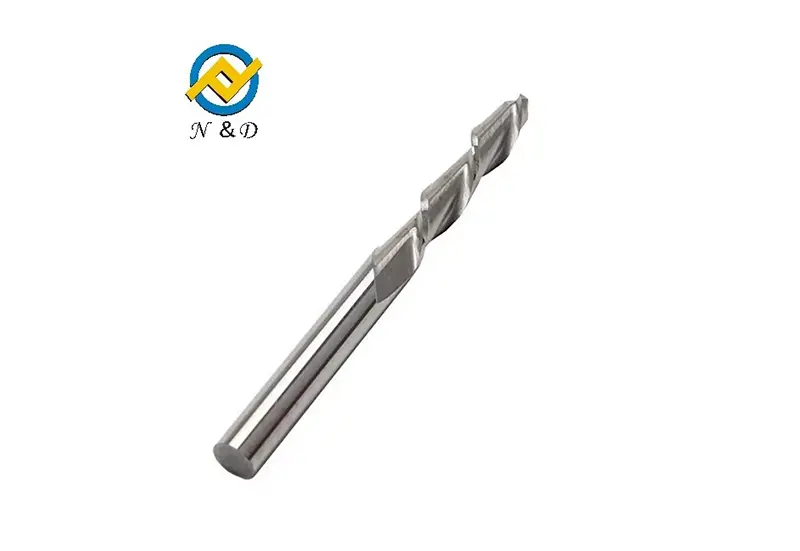
Analyzing structural improvements in solid micro-grain tool geometry, illustrating material removal efficiency rates when boring hardened and heat-treated structural alloy steels.
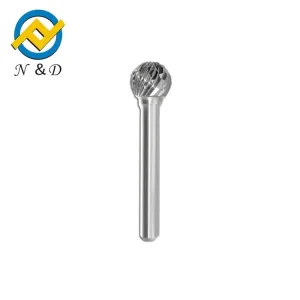
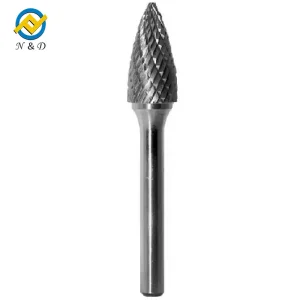
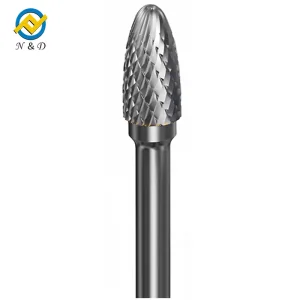
Published: 2024-09-29Our most frequently requested industrial products engineered for reliable finishing, boring, and milling operations.
Answers to complex engineering questions regarding tungsten carbide application, configuration, and ordering.
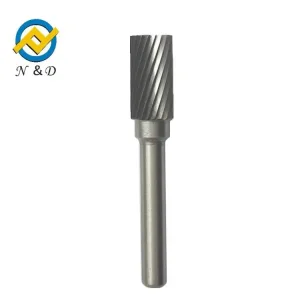
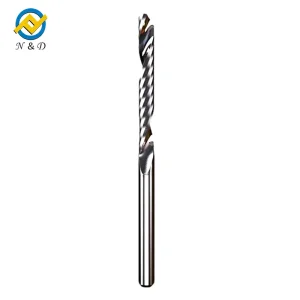
Single-cut (or one-flute) rotary burrs feature a single, right-handed spiral flute. They are ideal for rapid material removal on non-ferrous metals, soft aluminum, and plastic polymers, preventing soft material chips from packing the teeth. Double-cut burrs feature intersecting flutes that cut in multiple directions. This geometry creates much smaller chips, facilitates faster material extraction, dampens vibration, and delivers exceptional control when processing harder steels and alloys.
Recommended speeds depend primarily on workpiece hardness and head diameter. As a standard baseline: a small 3mm head typically operates between 25,000 and 35,000 RPM, while larger 12mm and 16mm heads should be throttled down to 10,000 to 18,000 RPM. Never exceed the marked RPM limit, and always keep the tool moving under light pressure to avoid chip packing and premature tooth failure.
We offer tiered industrial pricing structures based on monthly procurement allocations. Clients with active production contracts receive dedicated volume discounts and predictable price lockouts on standard items. To receive our latest comprehensive catalog and tailored quotation, please use the button below to submit a direct inquiry.
Every shipment to the UK is fully supported by comprehensive commercial documentation, including certificates of conformity, ISO 9001 quality certificates, metallurgical material sheets detailing carbide grain ratios, and complete customs-cleared HS classifications to ensure efficient delivery through UK ports.
Partner with an established manufacturer to unlock high-yield material removal rates, lower tooling overhead, and secure your supply chain. Get in touch with our engineering team for custom configurations and active pricelists.
 N&D Carbide