Solid Carbide End Mills Manufacturer & Manufacturers Serving the United States Market

Elevating Precision CNC Machining Across Aerospace, Medical, and Automotive Sectors with E-E-A-T Certified Tooling

Featured Industrial Milling & Cutting Solutions

Engineered specifically to satisfy structural high-speed machining demands within the United States
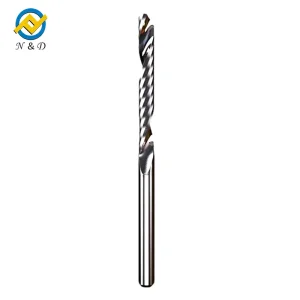
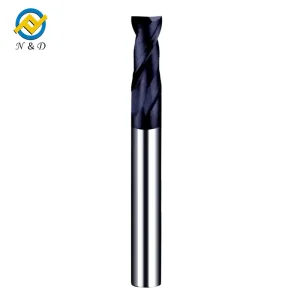
High-Quality Single Flute Spiral End Mill for Aluminum Machining

High-Quality USA Spec Single Flute Spiral End Mill for High-Speed Aluminum Machining

View Product Specifications
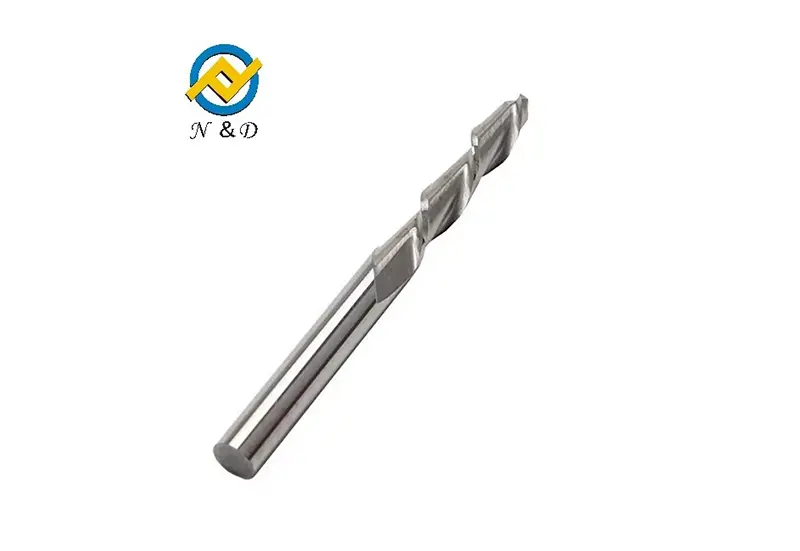
Custom Precision 2 Flute Milling Cutter

Custom Precision 2 Flute Milling Cutter Designed for Hardened Steels & Die Mold Making

Request Factory Pricelist
Custom Precision 2 Flute Milling Cutter duplicate entry

Premium Series 2-Flute Tungsten Carbide Ball Nose End Mills for Contoured Surfacing

Request Factory Pricelist
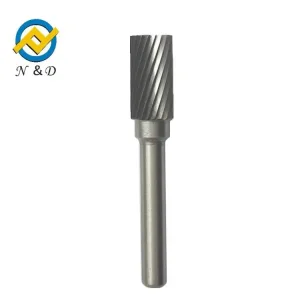
High-Quality N&D Tungsten Carbide Type A Cylinder Shape Rotary Burrs

High-Quality N&D Type A Cylinder Shape Rotary Burrs for Heavy Deburring Applications

Contact Manufacturer

Solid Carbide End Mills: The Engine of American Precision Manufacturing

An In-Depth Analytical Report on High-Performance Tooling in Modern CNC Applications

In the hyper-competitive landscape of American industrial manufacturing, precision, tool life, and cycle efficiency dictate structural profitability. As the United States undergoes a massive shift towards reshoring and localized supply chains, CNC machine shops from the aerospace corridors of Texas to the automotive epicenters of the Midwest are demanding a new class of high-performance cutting tools. Solid Carbide End Mills represent the critical point of contact where high-level CAD designs translate into structural components. These advanced cutting tools are not merely consumables; they are the enabling instruments of modern multi-axis high-speed machining (HSM).
Achieving reliable productivity with tough alloys—such as Titanium Ti-6Al-4V, Inconel 718, and high-hardness tool steels—requires deep expertise in material science and engineering geometry. Understanding the synergy between premium sub-micron tungsten carbide substrate matrices, advanced nano-composite physical vapor deposition (PVD) coatings, and variable-helix geometric dampening structures is paramount. This comprehensive whitepaper provides engineers, procurement officers, and plant managers across the US with a roadmap to achieve maximum material removal rates (MRR) while drastically reducing cost-per-part metrics.

Sub-Micron Substrates

Formulated with an ultra-consistent grain size and a balanced 10-12% Cobalt binder phase for supreme edge retention.

Advanced PVD Coatings

Multi-layered AlTiN and nACo nano-coatings provide high thermal barriers, allowing dry machining at elevated surface speeds.

Customized Geometry

Engineered variable pitch and unequal helix configurations designed to break up harmonics and mitigate machining chatter.

United States Machining Landscape: Industry Insights & Challenges

Understanding the Macro Solutions for regional tooling hubs across the US

The industrial map of the United States features diverse manufacturing ecosystems, each requiring highly specific cutting tool geometries. The aerospace clusters in the Pacific Northwest and the defense supply chains in the Southwest demand heavy-duty machining of refractory superalloys. In these applications, solid carbide tools must resist extreme heat and thermal shock. Conversely, the medical device manufacturers in Indiana and California require micro-grain round-nose end mills capable of producing mirror finishes on small implant surfaces made of biocompatible titanium and PEEK materials.
Recent geopolitical and supply chain transformations have driven US operators to seek strategic partnerships with global manufacturers capable of high-level OEM/ODM customization. This demands a robust integration of advanced logistics and reliable metallurgy. Relying on local domestic stock alone often exposes operators to long lead times for custom-engineered tools. Progressive distributors and Tier-1 machine shops are utilizing a hybrid sourcing model: pairing local technical support with cost-effective, high-capacity, precise manufacturing centers. This approach ensures a reliable supply chain of tooling, even in periods of high demand.
United States Regional Hub Primary Industrial Focus Dominant Material Challenges Optimized Tooling Strategy
Pacific NW & Southern Texas Aerospace & Defense Assemblies Ti-6Al-4V Titanium, Inconel 718, 300M Alloys Unequal Helix, Variable Pitch 4 & 5-Flute PVD AlTiN End Mills
Midwest & Great Lakes Automotive & Heavy Machinery Grey Cast Iron, Case-Hardened Steels, 6061-T6 High-Feed 3-Flute Aluminum Mills & DLC Coated Roughers
Southern California & New England Medical Devices & Bio-implants 316L Stainless, Titanium, Biocompatible Polymers Micro-Diameter Ball Nose End Mills (≤ 1.0mm) & Mirror Flute Grinding
Ohio Valley & Southeast Precision Die, Mold & Tool Making H13, D2, and Hardened Tool Steels (up to 65 HRC) Multifunctional 6-Flute Finishing Mills with Hardened nACo Coating
2004
Established Year
120+
Dedicated Employees
500+
Customer Praise Ratings
60+
Global Export Markets

Material Science: Substrate, Coatings & Geometry

Diving Deep into the Metallurgy and Physics that Enable High Material Removal Rates (MRR)

1. Sub-Micron Tungsten Carbide Substrates

The foundation of a premium cutting tool lies in its base substrate. We utilize custom formulated, virgin ultra-fine grain tungsten carbide powders combined with a cobalt binder. A lower cobalt percentage increases hardness and wear resistance, making the tool ideal for hardened materials. Conversely, a higher cobalt content enhances toughness, helping to prevent micro-chipping during interrupted cuts in challenging setups. Our standard formulations feature an 11-12% Cobalt structure with a grain size of 0.4μm to 0.6μm. This composition balances toughness and thermal hardness, providing an optimal base for high-performance coatings.

By avoiding recycled materials, we eliminate impurities that can cause premature structural failure under heavy load. Our strict metallurgical standards prevent early failure, ensuring consistent tool performance for large production runs in high-demand US industries.

2. Advanced Nano-Composite PVD Coatings

Uncoated carbide degrades rapidly when exposed to temperatures above 600°C. To address this, our tools utilize advanced Physical Vapor Deposition (PVD) coatings. This technology deposits multi-layer nano-coatings directly onto the cutting edge, forming a strong thermal barrier that protects the substrate.

  • AlTiN (Aluminum Titanium Nitride): Ideal for high-temp machining in stainless steels and titanium, forming a protective aluminum oxide layer at temperatures up to 900°C.
  • nACo (Nano-Composite AlTiN + Si3N4): Offers extreme surface hardness (up to 45 GPa) and thermal stability up to 1100°C, perfect for machining materials harder than 55 HRC.
  • DLC (Diamond-Like Carbon): Features a low friction coefficient (≤ 0.1) and high hardness. This coating prevents built-up edge (BUE) when machining non-ferrous materials like aluminum alloys.

Solving Harmonic Resonance with Variable Helix Design

In high-speed machining, harmonic resonance or "chatter" is a leading cause of tool failure and poor surface finishes. When a standard end mill rotates, each flute enters the cut at equal intervals, creating rhythmic vibrations that can quickly amplify.

Unequal Indexing

Flute spacing is intentionally varied around the tool body to break up regular impact intervals and disrupt harmonic patterns.

Variable Helix Angle

The helix angle varies along the length of each flute, altering the cutting forces dynamically to prevent chatter propagation.

Polished Flutes

Mirror-finish grinding on the flute faces enhances chip evacuation, reducing heat buildup and preventing chip packing.

State-Of-The-Art Manufacturing & Quality Control

Our 6-Stage Production Process Ensures Consistent Tolerances down to ±0.005mm

01
Wet Grinding Process

Wet Grinding & Milling

We mix high-purity tungsten carbide powder, cobalt, rare earth additives, and organic binder systems in an intensive ball mill. This guarantees a homogeneous blend prior to forming.

02
Drying and Refining

Drying & Spray Atomization

The liquid mixture is dried, then formulated with organic paraffin binders and carefully filtered. This step ensures optimal powder flow and consistency for the subsequent pressing stages.

03
Isostatic Pressing

High-Pressure Pressing

The micro-grain carbide powder is formed into precise cylindrical rods. This process uses high-pressure hydraulic presses or isostatic pressing to ensure uniform density throughout the rod.

04
Sintering Furnace

Overpressure Sinter-HIP

The carbide rods are sintered in a high-pressure Sinter-HIP furnace at 1450°C. This process removes internal porosity, resulting in a dense, uniform metallurgical structure.

05
5-Axis CNC Flute Grinding

5-Axis CNC Flute Grinding

We utilize 5-axis CNC grinding machines (including Walter and ANCA systems) to grind flutes, relief angles, and end teeth. This equipment maintains high-accuracy dimensions and runout tolerances.

06
Zoller Inspection

Multi-Phase Quality Inspection

Every production lot undergoes rigorous inspection. We verify core dimensions, runout, and surface finish using Zoller non-contact measurement machines before final packaging.

Leading the Industry in Custom Tungsten Carbide Manufacturing Since 2004

Founded in 2004, our company has grown from a specialized metallurgical lab into a leading, technology-driven manufacturer of premium tungsten carbide products. Headquartered in Sichuan Province, China, we operate a modern production facility that supplies wear parts and precision cutting tools to customers in over 60 countries.

Our company employs over 120 dedicated professionals, including advanced metallurgists and mechanical engineers. We serve demanding industries worldwide, including aerospace, defense, energy, mining, automotive, and medical device manufacturing. By continuously investing in research and development and 5-axis CNC tooling equipment, we ensure that every cutting tool meets the strict quality standards of the global market.

Precision Carbide Sintering Facility
Advanced Quality Inspection Equipment
20+

Years of Dedicated Manufacturing & Global Supply Chain Excellence

Why US Distributors & Fabricators Partner with Us

Providing Technical Innovation, Predictable Tool Life, and Flexible Customization Support

Flexible OEM & ODM

We design, refine, and manufacture custom tools based on your specific requirements and CAD files. Our engineering team provides fast turnarounds on drawings and prototype runs.

Excellent Performance

Our sub-micron tungsten carbide substrates and advanced PVD coatings are engineered to resist edge wear and thermal expansion, extending tool life and ensuring reliable cuts.

High Machining Efficiency

Designed for high-speed machining setups, our tooling enables increased material removal rates, helping to shorten cycle times and lower overall processing costs.

Professional Support

Our technical and logistics teams support you through the ordering process, providing reliable lead times, custom labeling, and direct-to-warehouse shipping solutions.

Latest Industry Research & Developments

Keep abreast of the latest technical trends in the tungsten carbide tooling industry

Sustainable Tungsten Carbide Manufacturing
Sustainability

Sustainable Practices in Tungsten Carbide Manufacturing

We are working to integrate environmental initiatives into our operations. This includes investing in energy-efficient Sinter-HIP technology and expanding our closed-loop scrap recycling program.

September 29, 2024
The Evolution of Carbide Tooling
Material Science

Meeting Tough Material Demands in Modern CNC Machining

Demanding aerospace and defense contracts require cutting tools that can withstand high temperatures and wear. Modern carbide tooling must evolve to reliably cut advanced, tough alloys.

September 29, 2024
Carbide Drills Revolution
Product Engineering

Improving Drilling Performance with Advanced Solid Carbide Twist Drills

Precision twist drills designed with optimized geometry and advanced cobalt alloys are helping operators improve hole accuracy and chip removal in high-speed machining environments.

September 29, 2024

Technical Machining FAQ & Troubleshooting Guide

Expert Engineering Solutions to Common Technical Questions Raised by US Operators

Q1: What are the primary benefits of using variable helix solid carbide end mills?
Variable helix end mills are designed to disrupt the uniform frequency of cutting force vibrations, helping to mitigate harmonic resonance (chatter) during machining. By varying the helix angle along the tool flute, cutting forces change dynamically during rotation. This reduces chatter, improves surface finish, and extends tool life when machining challenging materials like stainless steel or aerospace titanium alloys.
Q2: When should I specify a 2-flute versus a 4-flute or 5-flute solid carbide end mill?
The ideal flute count depends on the material and the type of cut:
  • 2-Flute Mills: Feature large flute spaces, making them suitable for chip evacuation when machining non-ferrous materials like aluminum and plastics.
  • 3-Flute Mills: Balance chip clearance and structural strength, often used in aluminum roughing and profiling.
  • 4-Flute & 5-Flute Mills: Have smaller flute spaces but a larger core diameter. This design provides high structural stiffness and is ideal for peripheral profiling, finishing, and high-speed machining of steels, stainless steels, and superalloys.
Q3: How do sub-micron substrates differ from standard tungsten carbide?
Sub-micron substrates feature a smaller tungsten carbide grain size (typically 0.4μm to 0.8μm) compared to standard grade materials (1.5μm to 3.0μm). This fine grain structure reduces micro-voids in the material, resulting in a stronger, harder tool edge. This properties allow sub-micron tools to maintain sharp cutting edges longer, even when exposed to high thermal stress during high-speed machining of tough alloys.
Q4: What causes built-up edge (BUE) in aluminum machining, and how can it be avoided?
Built-up edge (BUE) occurs when aluminum chips stick to the cutting edge of the tool, often due to high heat and friction. This can lead to tool chipping and poor surface finishes. To mitigate BUE, we recommend using solid carbide tools with highly polished flutes and low-friction, non-ferrous coatings (such as DLC or ZrN). Maintaining high cutting speeds and ensuring consistent coolant delivery to the cut zone also helps clear chips effectively.
Q5: What is the average lead time for custom OEM carbide end mills?
Our engineering team typically reviews and validates custom tool drawings and requests within 24 to 48 hours. Once specifications are finalized, standard production runs for custom-ground solid carbide tools are completed within 10 to 15 business days. This efficient process ensures a reliable tooling supply, helping our partners manage lead times and maintain production schedules.

Full Range of Solid Carbide Cutting Tools

Our comprehensive portfolio of high-performance tools engineered for global industrial manufacturing standards
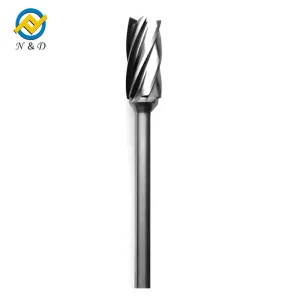
High-Quality N&D Tungsten Carbide Single Flute Spiral End Mill

High-Quality N&D Tungsten Carbide Single Flute Spiral End Mill

View Product Specifications
Custom Precision Engineering Tungsten Carbide End Mill 2 Flute Milling Cutter

Custom Precision Engineering Tungsten Carbide End Mill 2 Flute Milling Cutter

Request Pricelist Details
Custom Precision Engineering Tungsten Carbide End Mill 2 Flute Milling Cutter

Custom Precision Engineering Tungsten Carbide End Mill 2 Flute Milling Cutter (V2)

Request Pricelist Details
High-Quality N&D Tungsten Carbide Type A Cylinder Shape Rotary Burrs

High-Quality N&D Tungsten Carbide Type A Cylinder Shape Rotary Burrs

View Product Specifications
High-Quality Tungsten Carbide Aluminum Rotary Burr at the Best Prices

High-Quality Tungsten Carbide Aluminum Rotary Burr at Competitive Pricing

Get Latest Price Quote
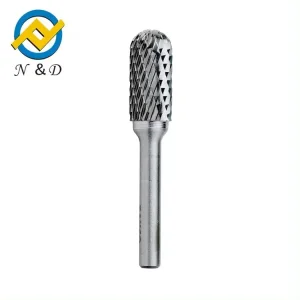
Tungsten carbide ball nosed cylindrical burr

Custom Precision Engineering: Tungsten Carbide Ball Nosed Cylindrical Burr

Request Factory Pricelist
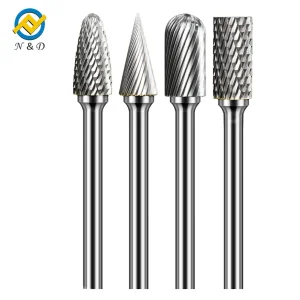
High Quality Tungsten Carbide Rotary Burrs for Precision Cutting

High-Quality Tungsten Carbide Rotary Burrs for Precision Cutting and Machining

Request Factory Pricelist
High-Quality N&D Tungsten Carbide Single Flute Spiral End Mill repeat

Premium Tungsten Carbide Single Flute Spiral End Mill for Aerospace Polymers

View Product Specifications

Ready to optimize your CNC machining efficiency and reduce cost-per-part?

Contact our engineering team today to request a catalog, get a custom tool quote, or discuss your production requirements.

Send Inquiry Now