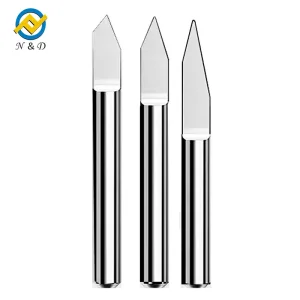
Designed for intricate machining of aviation structural alloys and precision molds.
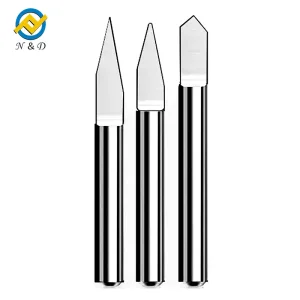
Micro-grain solid carbide bits optimizing cycle times for premium structural engravings.
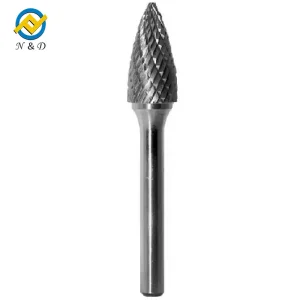
Engineered for clean deburring of cast steel, alloys, and marine structural fabrications.
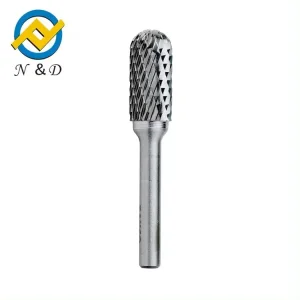
Ultimate reliability for continuous-duty clean finishes in tight mechanical profiles.
As Northern Europe's leading logistics gateway and a premier high-tech hub, the Metropolitan Region of Hamburg demands absolute precision in industrial machining components. The localized manufacturing structure—spanning from the aviation assembly lines in Finkenwerder and harbor-focused maritime engineering, to the rapid growth of wind turbine manufacturers—relies heavily on CNC cutting and high-durability engraving tools. Modern machining demands that engraving cutters operate at extremely tight tolerances, resisting thermal fatigue and material binding in complex alloys.
In high-velocity assembly settings, the structural integrity of your CNC tooling directly impacts operational throughput. Using low-grade tooling increases replacement frequencies, leads to dimensional variances, and risks catastrophic tool failure that halts multi-million Euro operations. Industrial procurers in Hamburg are increasingly moving away from basic transactional purchasing, choosing instead to focus on Total Cost of Ownership (TCO), dimensional repeatability, and certified compliance.
Standard steel and general alloy cutters cannot maintain dimensional accuracy when machining complex components like titanium wing fasteners, marine-grade bronze impellers, or carbon-fiber-reinforced polymer (CFRP) fuselages. The physical properties of ultra-micro-grain tungsten carbide (containing cobalt compositions balanced specifically between 6% and 12%) provide the exceptional hardness and wear resistance required for high-speed cutting. By maintaining structural stability at temperatures exceeding 900°C, these specialized tool designs ensure clean cuts and protect workpiece integrity.
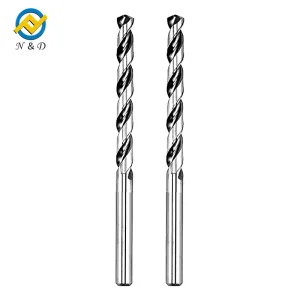
Cobalt-alloyed construction providing ultimate heat resistance for tough stainless steels.
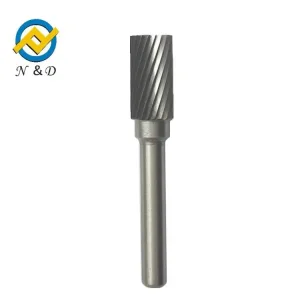
Designed for flat surface finishing and rapid edge profiling in fabrication environments.
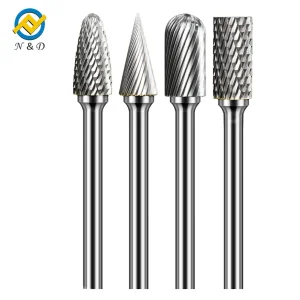
Advanced tooth geometry engineered to maximize tool life during heavy-duty material removal.
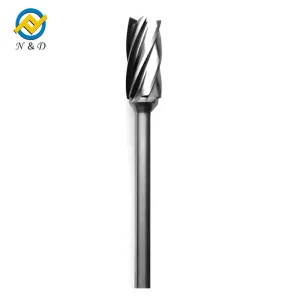
Wide flute design that prevents loading and buildup during high-speed aluminum machining.
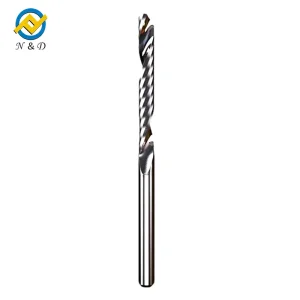
Mirror-finish flutes that maximize chip evacuation during high-speed plastic profiling.
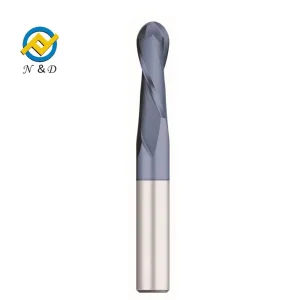
Designed for complex 3D contouring, maintaining extreme dimensional tolerances.
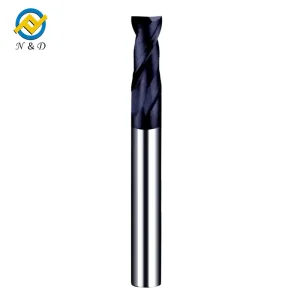
An ideal balance of structural strength and chip clearance for slotting and pocketing.
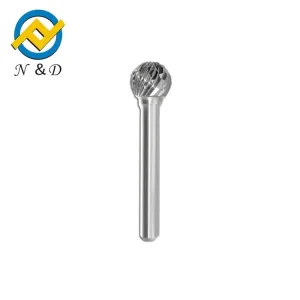
Engineered for spherical milling, pocket carving, and clean deburring of internal structures.

We blend micro-grain tungsten carbide, premium cobalt binder, and rare alloying elements with aviation gasoline and milling balls to achieve absolute structural uniformity.

The homogenized slurry is carefully spray-dried, combined with high-grade organic binders, and filtered to produce a highly uniform powder with excellent flow characteristics.

Using advanced hydraulic presses, we compress the powder under high pressure into near-net shape blanks, ensuring a consistent density distribution throughout the tool.

The pressed blanks undergo high-pressure Sinter-HIP thermal processing at temperatures up to 1450°C. This eliminates internal porosity and maximizes structural density.

We grind custom flute geometries and engraving profiles using state-of-the-art multi-axis CNC grinding machines, maintaining tolerances within ±0.005mm.

Every finished cutter undergoes rigorous automated inspection, checking the geometry, surface finish, and core integrity to guarantee zero-defect performance.
For industrial buyers managing global supply chains out of Hamburg or adjacent industrial zones, selecting tool suppliers involves balancing logistical reliability and upfront unit costs with actual machining performance. The purchasing model for high-speed carbide tooling must prioritize tool wear predictability. Premature failure of an engraving bit can lead to expensive downtime, damage high-value workpieces, and disrupt just-in-time (JIT) production systems.
By choosing tooling with optimized geometries and advanced coatings, manufacturing plants can expect a 30% to 50% increase in tool life. This reduces the frequency of tool changes, minimizes setup time, and lowers direct tooling costs. From a strategic perspective, establishing partnerships with manufacturers that offer custom design capabilities (OEM/ODM) is essential for solving complex machining challenges in aerospace and heavy industry.
High-speed dry milling of aluminum and stainless steel alloys generates intense local heat, which can quickly degrade cutting edges through chemical wear and chip adhesion. To combat this, we use specialized surface treatments:
Get in touch with our engineering team for custom drawings, volume pricing packages, and specialized material solutions tailored specifically for the Hamburg industrial and maritime markets.
 N&D Carbide