Muharraq, historically renowned as the cultural and trading heart of Bahrain, has rapidly evolved into a vital node within the Kingdom’s modern B2B manufacturing and logistics infrastructure. Anchored by the strategically situated Khalifa Bin Salman Port and the expansive industrial parks near Hidd, the Muharraq governorate is today home to heavy marine engineering, advanced aviation maintenance facilities, and downstream aluminum fabrication workshops utilizing primary metal from ALBA.
For local machine operators, tooling durability is a critical operating metric. Engraving cutters, end mills, and rotary burrs used in these environments must withstand severe thermal loading and aggressive corrosion profiles. High-speed machining (HSM) of aircraft components or ship hull maintenance requires tungsten carbide cutting tools designed with exact radial rakes and micro-grain structural homogeneity. This technical report examines the sourcing pathways for Muharraq manufacturers seeking to reduce operational downtime and optimize B2B procurement.
"As local operations transition to smart automation under the Bahrain Economic Vision 2030, precision micro-machining and specialized diamond-like carbon (DLC) coated engraving cutters are becoming standard requirements to support localized high-precision industries."
The fundamental factor determining the lifespan of engraving cutters is the quality of the cemented carbide matrix. By balancing the ratio of tungsten carbide (WC) grain size with cobalt (Co) binder concentrations, manufacturers can tailor cutters for high hardness (HRA 92+) or impact toughness. In aluminum profiling—prevalent across Muharraq's architectural panels industry—ultra-fine micrograin substrates (typically 0.6μm down to 0.4μm) are deployed to prevent edge micro-chipping under high feed rates.
Fluctuations in raw material costs, energy grids, and ocean freight logistics present constant risks to B2B procurement managers in Bahrain. Our production facility located in Guanghan, Sichuan Province, leverages advanced China Factory 4.0 technologies to mitigate these volatility factors. By integrating computerized vacuum sintering furnaces and fully automated five-axis CNC grinding machines (engineered by Rollomatic and ANCA), we maintain a consistent dimensional tolerance margin of ±0.005mm across production volumes.
Through direct supply arrangements, we offer B2B procurement managers a direct-from-factory pricing framework. This avoids intermediary markups that typically inflate carbide tool prices in the GCC by 35% to 50%. The integration of smart logistics through Khalifa Bin Salman Port ensures reliable shipping and standard customs clearance for regular, bulk-supply agreements.
| Product Category | Core Substrate Material | Applicable Hardness Range | Recommended Coating Options | Target Industrial Segment (Muharraq) |
|---|---|---|---|---|
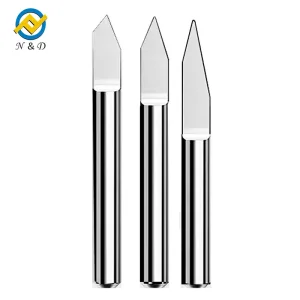
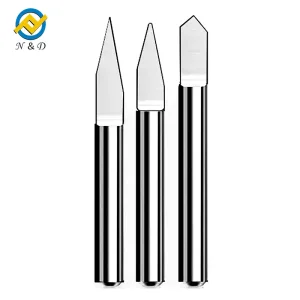
| Engraving Bits (Single/Double Flute) | Ultra-fine WC / 6-8% Co | HRA 91.5 - 93 | DLC / TiSiN / Uncoated | Acrylic Signage, Architectural Cladding, Die Mold |
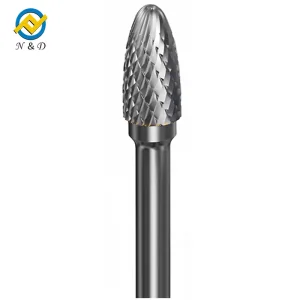
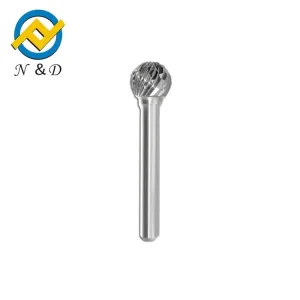
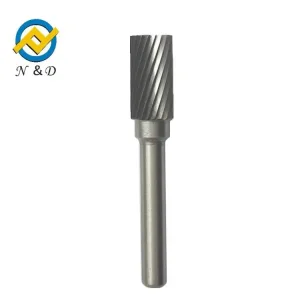
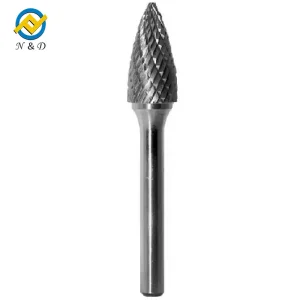
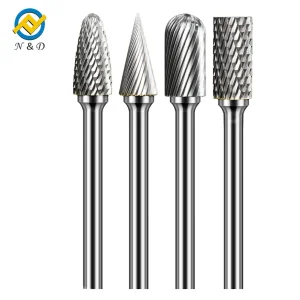
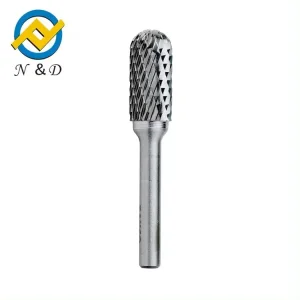
| Tungsten Carbide Rotary Burrs | Sub-micron WC / 9-10% Co | HRA 89 - 91 | TiAlN / Double Cut Pattern | ASRY Ship Repairs, Metal Casting Fettling |
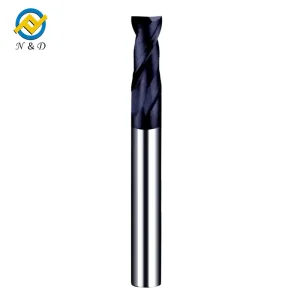
| CNC Milling End Mills | Nano-grain WC / 12% Co | HRA 92 - 94 | AlTiN / CrN / DLC | Precision Aerospace Parts, Desalination Plant Valves |
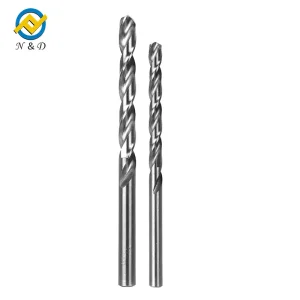
| Solid Carbide Twist Drills | Micro-grain WC / 10% Co | HRA 90 - 92.5 | TiN / TiAlN | Structural Steelwork, Hidd Logistics Fabrications |
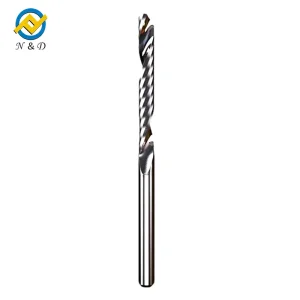
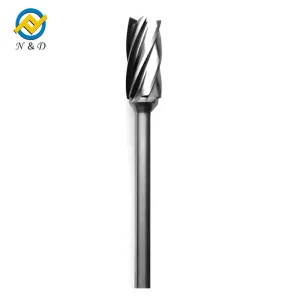
1. Downstream Aluminum Machining: Muharraq's proximity to regional smelting facilities generates significant demand for the profiling and engraving of architectural aluminum sheets. Standard tooling struggles with the high stickiness of soft aluminum alloys, which causes built-up edge (BUE) defects. Our single-flute spiral end mills feature highly polished rakes that minimize friction and promote smooth chip evacuation.
2. Marine Weld Preparation & Beveling: In the repair yards adjacent to Muharraq, technicians use tungsten carbide rotary burrs for weld dressing, casting fettling, and chamfering carbon steel plates. Our double-cut rotary burrs deliver improved control and reduce metal chip sizes, protecting operators in confined shipyard settings.
We blend virgin tungsten carbide powder, cobalt binder, and rare dopants with aviation gasoline and carbide balls to achieve a homogeneous grain structure.
The slurry is spray-dried to form spherical granules. Using hydraulic and isostatic presses, we compress the powder into high-density green compact blanks.
Blanks undergo Overpressure Sintering at 1450°C. Sinter-HIP technology removes internal micro-voids, increasing density to near theoretical limits.
Using advanced five-axis grinding centers, we grind the flutes, relief angles, and cutting edges to precise dimensional tolerances.
We apply specialized coatings (TiAlN, AlTiN, or DLC) in vacuum chambers to optimize tool surface hardness and thermal stability.
Every production batch undergoes ultrasonic testing, helical verification, and runout inspection to confirm zero-defect delivery.
We engineer custom cutting tools tailored to your specific machining needs. Our design team creates specialized flute layouts, custom taper angles, and targeted relief clearances to improve cutting efficiency in demanding environments.
Our tools are built for high hardness, thermal shock resistance, and low friction. This helps maintain edge sharpness over longer production runs, extending overall tool life and reducing tooling swap-out frequency.
By minimizing machining vibration and optimizing chip flow, our cutters enable higher spindle speeds and faster feed rates. This helps shorten cycle times and reduces overall energy use per finished part.
We offer complete engineering support from prototype testing through to full production runs. Our metallurgical and application engineers assist with speed calculations and coating selection to resolve processing challenges.
 N&D Carbide