Explore our premium selection of single-flute and multi-flute carbide solutions engineered for high-speed machining.
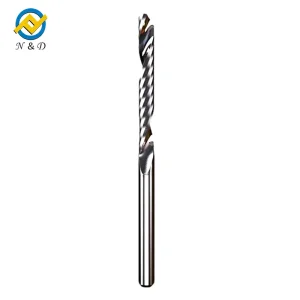
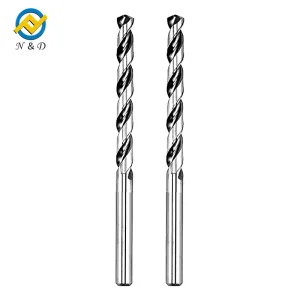
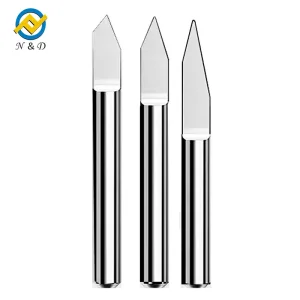
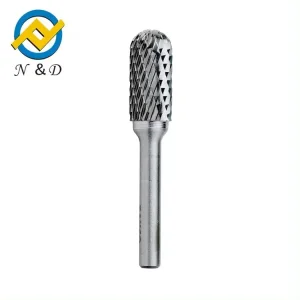
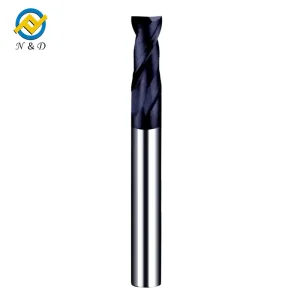
In the contemporary landscape of precision manufacturing, the Single Flute End Mill has emerged as a cornerstone for industries requiring high material removal rates (MRR) and superior surface finishes in non-ferrous materials. As a specialized Single Flute End Mill Factory, we observe a significant shift toward aluminum, acrylic, and plastic composites in sectors like aerospace, automotive signage, and electronics. The global demand for tungsten carbide tools is projected to grow by 5.4% CAGR through 2030, driven by the rise of automation and CNC efficiency.
Unlike multi-flute tools, the single flute geometry provides an immense flute valley, allowing for efficient chip evacuation at extremely high spindle speeds. This prevents "chip re-cutting" and heat build-up—the two primary causes of tool failure when machining soft or gummy materials. Our factory utilizes micro-grain tungsten carbide (WC-Co) to ensure that every tool maintains a razor-sharp edge under intense centrifugal forces.
Modern CNC workflows demand tools that can handle high-speed data-driven cycles. Our end mills are balanced for speeds exceeding 24,000 RPM, ideal for automated fabrication.
We leverage ultra-fine grain carbide substrates that offer a perfect balance of toughness and hardness (HRA 91-93), extending tool life by 30% compared to standard factory quotes.
From aerospace hubs in the EU to signage factories in North America, our tools are customized for local material standards (6061 Aluminum, Cast Acrylic, etc.).
The roadmap for single flute technology is moving toward asymmetric flute designs and varied helix angles. This innovation aims to further reduce harmonic vibration (chatter), allowing for even higher depths of cut (DOC) without sacrificing the dimensional accuracy of the workpiece. As a production-oriented factory, we are already testing "Mirror-Polished" flutes which reduce friction to near-zero levels.
While bright-finish tools remain popular for plastics, the future lies in DLC (Diamond-Like Carbon) and ZrN (Zirconium Nitride) coatings. These coatings provide a lubricious barrier that prevents aluminum "welding" to the tool edge, a common industry pain point. Our R&D department is currently integrating these thin-film deposition techniques into our standard single flute product line.
Year Established
Expert Employees
Countries Served
CNC Technology
Founded in 2004, our company is a leading manufacturer of tungsten carbide products, headquartered in Guanghan, China.
With over two decades of Experience, our Expertise is rooted in the deep understanding of powder metallurgy. We are a Trustworthy partner for 60+ countries, maintaining Authoritative standards through ISO-certified quality controls. Our 120+ dedicated professionals ensure that every "Single Flute End Mill Quote" reflects the highest value in the industry.

Mixing carbide & cobalt with aviation gasoline.

Filtering and gum addition for powder stability.

High-pressure molding of the carbide powder.

Vacuum sintering at 1450°C for ultimate density.

5-axis precision gear opening and flute cutting.

Comprehensive laser and ultrasonic testing.
Answering common technical queries to improve your operational efficiency.
The primary advantage is chip clearance. In materials like aluminum or plastic, chips tend to melt and stick. The single flute's large open area allows these large chips to be ejected instantly, preventing tool breakage and allowing for higher feed rates.
Single flute mills thrive at high speeds. For a 6mm tool in aluminum, we typically recommend starting at 18,000 to 24,000 RPM, depending on the machine's rigidity and the material grade.
Contact our sales team with your specific material requirements, shank diameter, and total length. We provide tiered pricing for distributors and OEM partners, ensuring you get the most competitive rates directly from the source.
Yes, but with caution. Carbide is brittle; while it offers incredible sharpness and life, it requires a stable environment. We recommend using them on CNC routers for maximum safety and tool longevity.
Browse our additional industrial-grade tools for precision engineering and metalworking.
 N&D Carbide