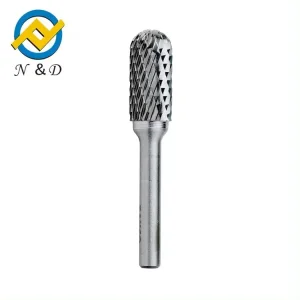
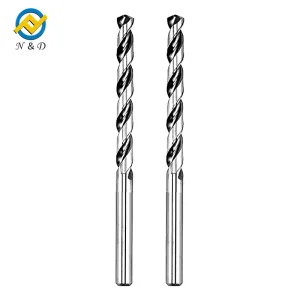
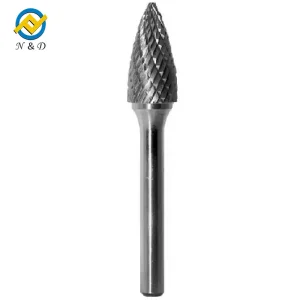
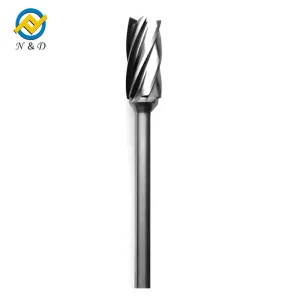
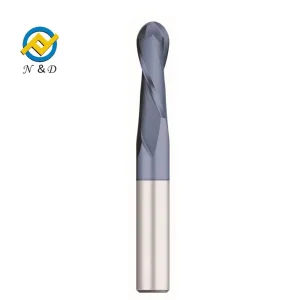
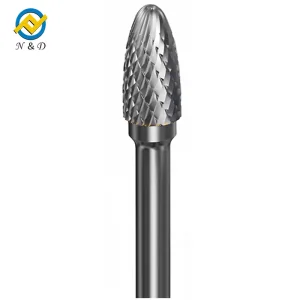
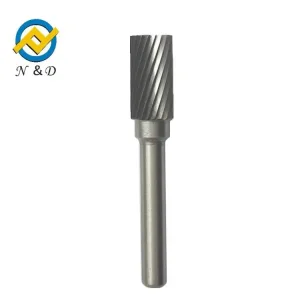
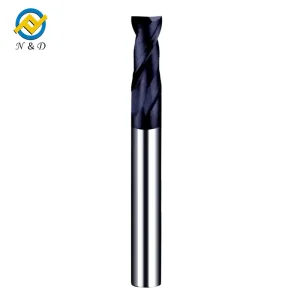
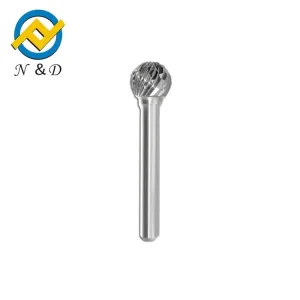
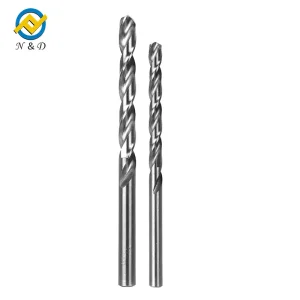
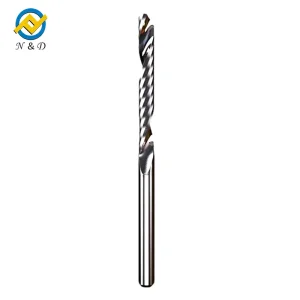
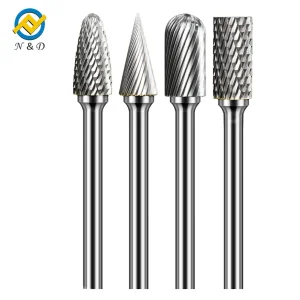
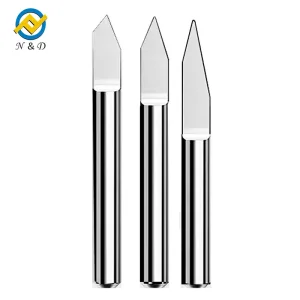
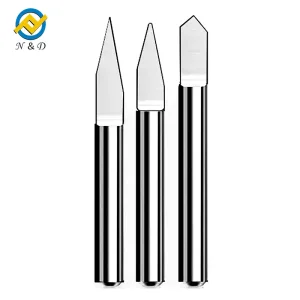
In the realm of precision machining, Metric Ball Nose End Mills represent the pinnacle of 3D contouring capability. Unlike standard square end mills, the radius on the tip of the ball nose end mill creates a smooth, rounded bottom, which is critical for complex surfaces such as turbine blades, molds, and automotive dies. Our manufacturing process integrates advanced sintering techniques and 5-axis CNC grinding to ensure that every flute possesses the geometric integrity required for high-speed machining.
Choosing the right factory involves evaluating the entire supply chain. Chinese tungsten carbide manufacturers have evolved from simple commodity producers to high-tech engineering partners. Our advantage lies in:
The manufacturing industry is witnessing a seismic shift. Modern Metric Ball Nose End Mills are no longer just "sharp tools." The industry is moving toward:
Global procurement teams face the challenge of balancing cost with reliability. Our solution is structured around "Just-in-Time" inventory management and transparent communication. We provide:
Q1: What are the primary advantages of Metric Ball Nose End Mills over imperial sizes?
A1: Metric sizes (e.g., 6mm, 8mm, 10mm) are standard in most CNC machines worldwide, facilitating easier programming and inventory management. They align with standard metric collets, reducing runout issues.
Q2: How does your factory handle custom orders?
A2: We operate on an OEM/ODM model. Simply provide your CAD drawings or technical specifications (diameter, length, coating type, flute count), and our engineering team will provide a feasibility analysis within 24 hours.
Q3: Why is tungsten carbide the preferred material?
A3: Tungsten carbide is significantly harder and more rigid than high-speed steel (HSS). It maintains its edge at much higher temperatures, which is essential for high-feed-rate industrial milling applications.
 N&D Carbide