Select from our premium structural-grade tungsten carbide cutting assemblies, engineered to maximize tool longevity and stability in high-vibration applications.
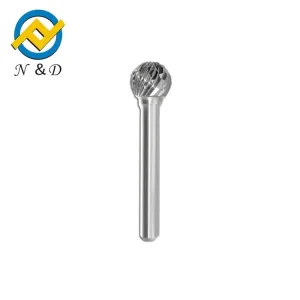
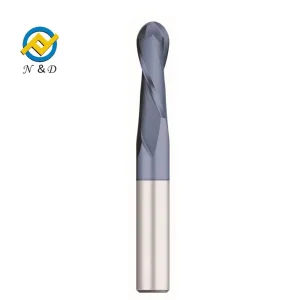
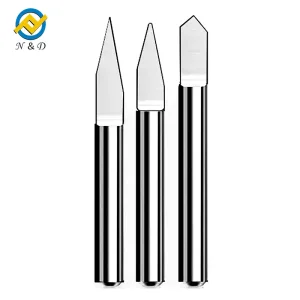
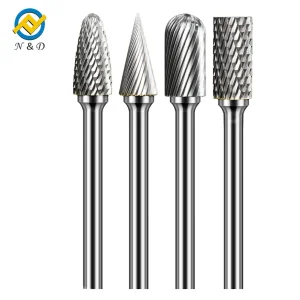
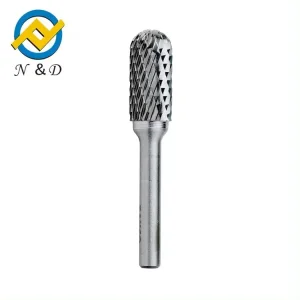
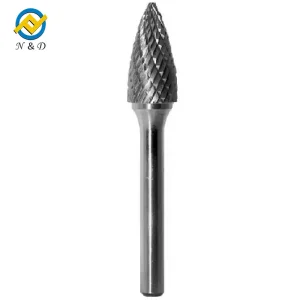
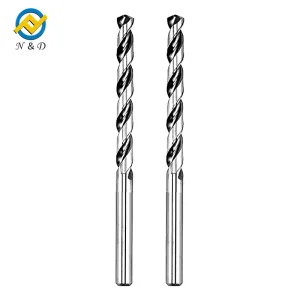
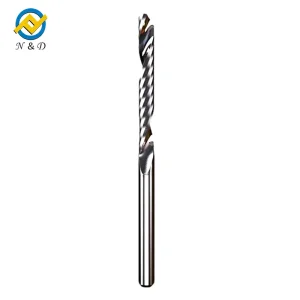
In modern CNC machining systems, structural complexity is accelerating. Manufacturers across the aerospace, heavy automotive die-casting, and clinical micro-medical sectors are constantly designing structural parts with increasingly deep cavities, narrow drafts, and multi-axis complex profiles. In these environments, standard ball-nose end mills fall short. When the tool's length-to-diameter ratio exceeds the critical threshold of 5:1, traditional shank configurations experience severe harmonic instability and structural deflection.
To maintain micro-scale positioning integrity under intense torsional loads, Long Reach Ball End Mills with specialized neck-relief engineering represent a critical technological evolutionary leap. By adjusting neck diameters relative to the cutting edge diameter and modifying neck taper geometries, industrial engineers can achieve unmatched cutting depth capabilities while mitigating harmonic vibrations (chatter). Our dedicated research reveals that choosing premium tooling with optimal cobalt binding percentages allows structural shops to run at significantly higher feed rates, drastically lowering operational cycles and scrap ratios.
Analyzing structural tooling failures across core industries and our highly responsive, multi-axis micro-precision solutions.
Aerospace impellers require machining thin-walled, non-orthogonal blade geometries out of solid blocks of Titanium (Ti-6Al-4V) or Inconel 718. The tool must transition smoothly from dense bases to narrow gaps. Custom-tapered long-reach ball mills preserve rigid feed rates, mitigating structural tool deflection and surface scalloping.
Precision injection molds require machining deep core structures into pre-hardened H13 or NAK80 tool steels (>52 HRC). Our sub-micron carbide grades with integrated TiSiN and AlTiN coatings provide superior thermal resistance, preventing micro-chipping along the tool's radius during extensive operations.
Orthopedic implants, including titanium acetabular cups and complex joint assemblies, feature spherical geometry with challenging reach limitations. Our ultra-precise, micro-diameter long-reach ball end mills maintain runouts within 0.003 mm to achieve mirror finishes directly off the machine.
Operating extended tools (L/D ratios over 8x) requires highly advanced material design. The core of our tool consists of a sub-micron grain (0.4μm to 0.6μm) Tungsten Carbide matrix, bound by a precise 10% to 12% Cobalt formula. This creates an optimized balance of high structural hardness (up to 92 HRA) and crucial impact toughness, preventing fracture when subjected to lateral loads.
Traditional machining relies on high speeds that generate massive friction. To combat thermal breakdown, our long-reach ball end mills incorporate advanced physical vapor deposition (PVD) coatings:
The global demand for high-end solid carbide tooling is shifting. Advanced industrial hubs in North America and Western Europe are increasingly demanding faster turnaround times and complete customization. Simultaneously, manufacturing bases in East and Southeast Asia are aiming to optimize cost-per-part ratios. This has created a critical challenge: finding a reliable factory partner capable of delivering high-precision custom tools without supply chain interruptions.
Strategically located in Sichuan Province, China, our manufacturing headquarters utilizes domestic access to premium ammonium paratungstate (APT). This raw material stability protects our global partners from the price volatility of the tungsten and cobalt markets. Backed by advanced logistical networks, we maintain a 98.7% on-time delivery rate to client facilities across North America, the European Union, and South America, ensuring seamless production continuity.
Combining high-end metallurgy with Swiss 5-axis CNC grinding systems to ensure absolute tool consistency.
We blend high-purity tungsten carbide powder, cobalt binder, rare metal additives, and aviation gasoline using premium alloy balls. This wet milling process ensures a highly uniform material structure.
The slurry is transferred to a closed-loop system where the aviation gasoline is carefully filtered out, and a natural binding gum is added to prepare the powder for structural molding.
The homogenized powder is compressed under immense hydraulic pressure, forming cohesive green compact rods with highly consistent material density throughout the blank.
The green rods are sintered in a high-pressure Sinter-HIP furnace at 1450°C. This process eliminates microscopic internal voids, maximizing the material's structural density.
Using ultra-precise Walter and Rollomatic 5-axis CNC grinding systems, we grind exact relief angles, helix profiles, and mirror-finished ball-nose geometries.
Every batch undergoes non-contact optical inspections using Zoller Genius metrology systems to verify profile tolerance, runout, and surface roughness parameters.
Standard catalog tools often fail to meet the unique requirements of highly specialized deep-cavity setups. Our advanced design division specializes in creating custom cutting geometries tailored to your specific application challenges.
Whether you require a custom neck relief diameter to navigate tight clearances, specialized helix angles for optimal chip evacuation, or variable flute spacing to eliminate vibration, we can help. Our engineering team utilizes advanced finite element analysis (FEA) to simulate tool behavior before production, ensuring optimal performance on your machine.

To ensure consistent performance in high-speed machining, all of our products are manufactured under strict ISO 9001:2015 quality management protocols. Our quality assurance program tracks each manufacturing run from raw powder supply to the finished product.
We perform extensive material analysis on every batch of raw tungsten carbide, inspecting for density, hardness, magnetic saturation, and cobalt distribution. Every long-reach ball end mill is guaranteed to meet an h6 shank tolerance and a maximum radial runout of 0.003 mm, ensuring quiet operation and long tool life.
As industrial manufacturing moves toward smart automation and autonomous production, cutting tools must evolve. Our development team is pioneering several next-generation technologies:
Integrating miniature passive RFID sensors within the tool shank to track real-time wear data and usage history, optimizing automated inventory management.
Developing next-generation Diamond-Like Carbon (DLC) and silicon-doped coatings to provide superior hardness and thermal insulation when dry machining difficult aerospace alloys.
Partnering with CAM software providers to design custom tool geometries optimized for high-efficiency dynamic milling paths, maximizing material removal rates.
Get expert answers to common questions about deep-cavity milling geometries and cutting parameters.
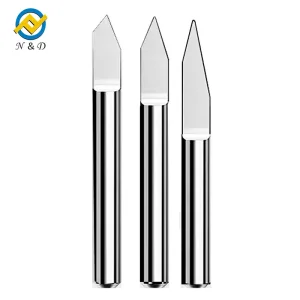
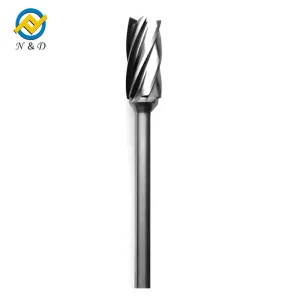
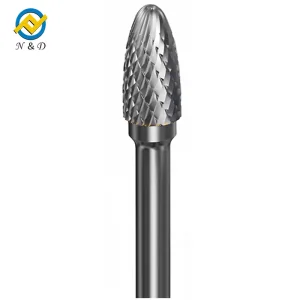
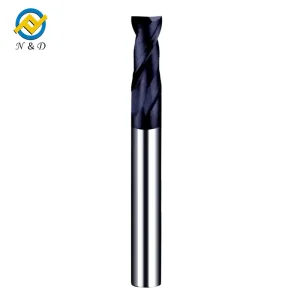
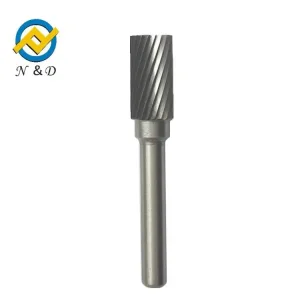
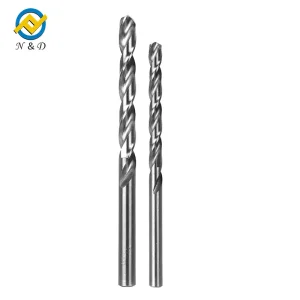
Discover our complete range of solid carbide cutting, drilling, and finishing systems, designed to deliver stable performance in high-speed industrial environments.
 N&D Carbide