 N&D Carbide
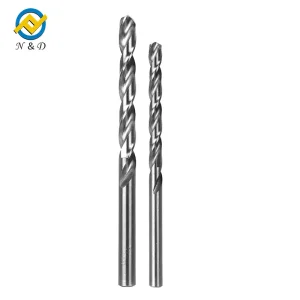
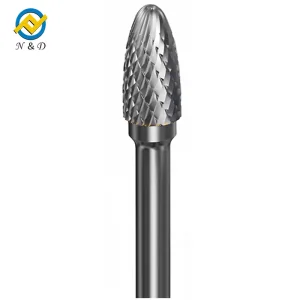
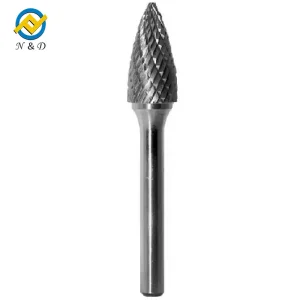
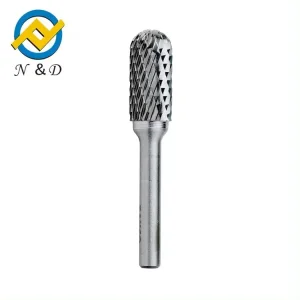
The Science Behind High-Speed End Mills & Industrial Tooling Performance
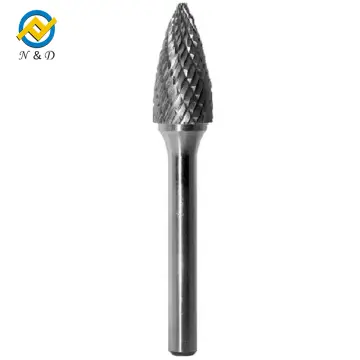
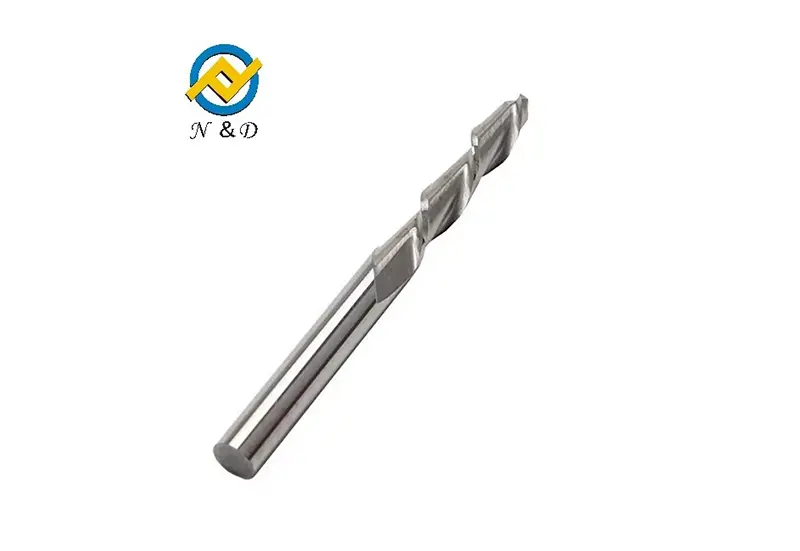
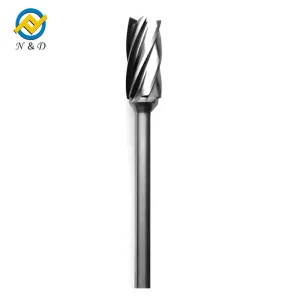
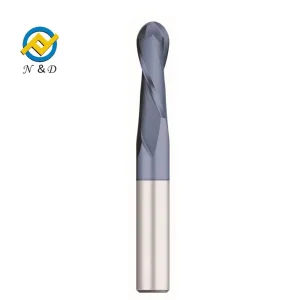
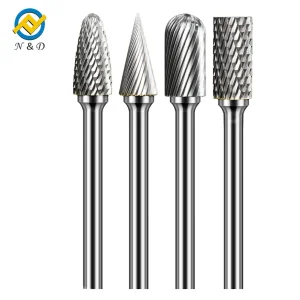
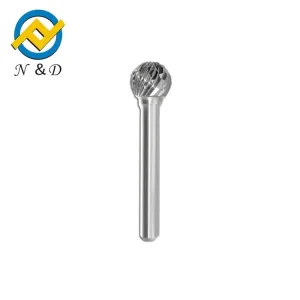
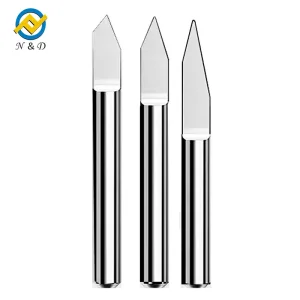
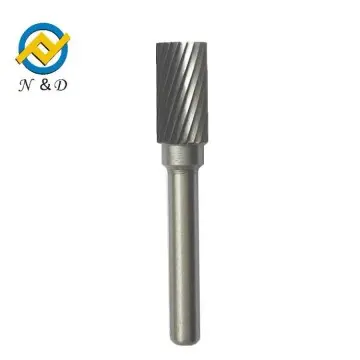
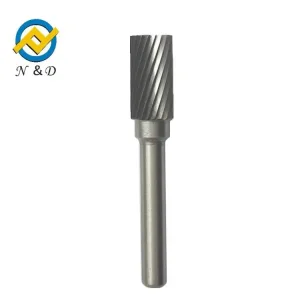
In high-velocity metal processing, tool design influences productivity, yield, and total cost of ownership (TCO). This paper examines the material science, geometric design, and manufacturing processes behind high-speed solid carbide end mills and rotating rotary burrs.
1. Material Science: WC-Co Cemented Carbide Substrates
At the center of high-speed tooling is tungsten carbide (WC) mixed with a cobalt (Co) metal binder phase. The properties of carbide tools depend on grain sizing and cobalt distribution:
- Sub-micron Grain Sizes (0.4μm - 0.8μm): Provide high hardness and wear resistance by reducing micro-fractures along cutting edges.
- Cobalt Binder Control: Typically kept between 6% and 12%. Lower percentages increase hardness (retaining sharpness under heat), while higher percentages increase transverse rupture strength (TRS) for heavy-interrupted cuts.
- Hot Isostatic Pressing (HIP Sintering): Eliminates micro-voids, increasing density and reducing structural failures during high-feed milling.
2. Dynamic Geometries for Heat and Chip Management
High-speed milling relies on efficient heat dissipation and chip evacuation. Our engineering focus guides the configurations below:
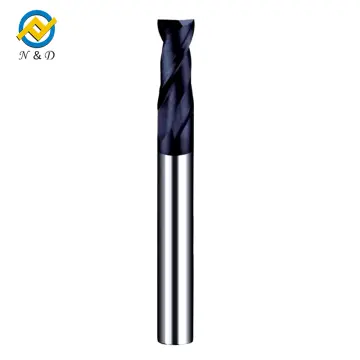
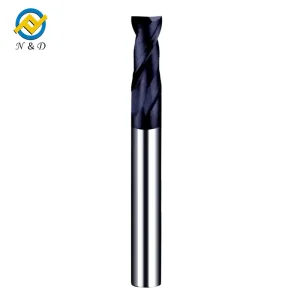
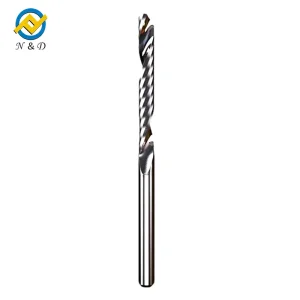
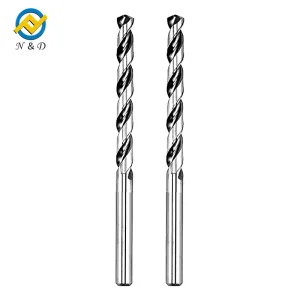
- Variable Pitch & Variable Helix Layouts: Alter the cutting frequency of each tooth, dampening harmonic vibrations (chatter) during deep pocket slotting.
- Variable Flute Profiles: Two-flute systems feature deep chip gullies for rapid aluminum evacuation, while four-to-six-flute designs offer structural stability for hardened steel profiling.
- Core Diameter Optimization: A thicker core structure enhances tool rigidity, reducing deflection and ensuring tighter tolerances under lateral loads.
3. PVD Coatings: Thermal Barriers for Severe Environments
Without coatings, WC substrates degrade rapidly when cutting temperatures exceed 600°C. Advanced PVD processes apply protective layers:
| Coating Type | Max Working Temp | Micro-hardness (HV) | Optimal Target Material Types |
|---|---|---|---|
| AlTiN (Aluminum Titanium Nitride) | 900°C | 3300 | Alloy Steels, Tool Steels, Cast Iron | nACo (Nanocomposite AlTiN/Si3N4) | 1100°C | 4000 | Hardened Steels (up to 65HRC), Inconel |
| DLC (Diamond-Like Carbon) | 450°C | 5000+ | Non-ferrous, Aluminum alloys, CFRP, GRP |