Explore our highly curated selection of high-accuracy tungsten carbide rotary burrs, solid carbide twist drills, and performance end mills customized for heavy-duty metalworking.
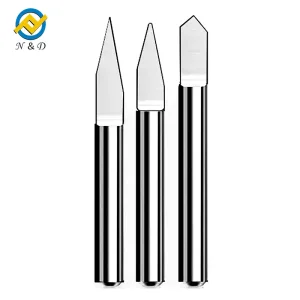
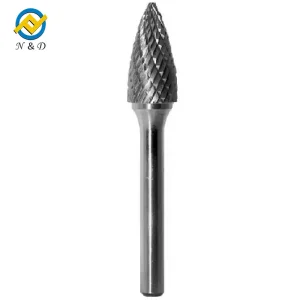
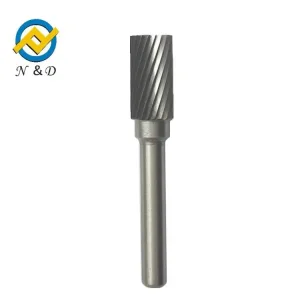
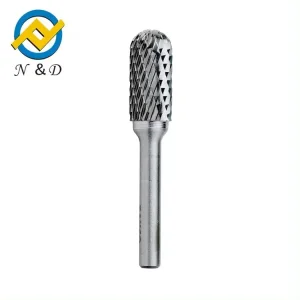
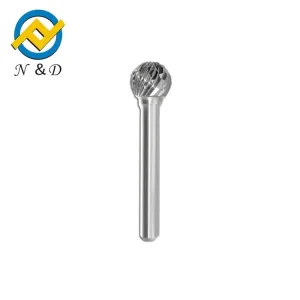
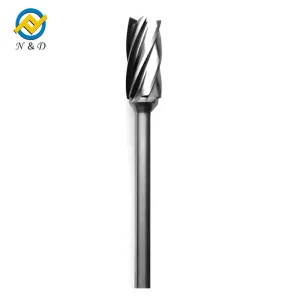
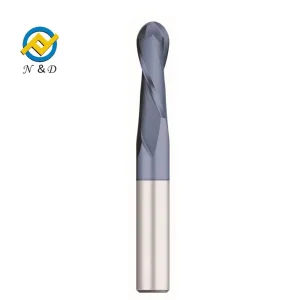
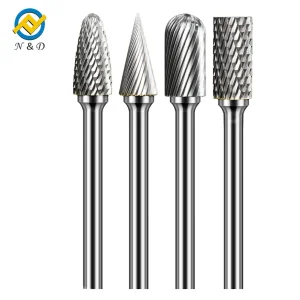
A technical whitepaper analyzing mechanical trends, structural advancements, and core metallurgy defining modern deep-cavity tooling systems.
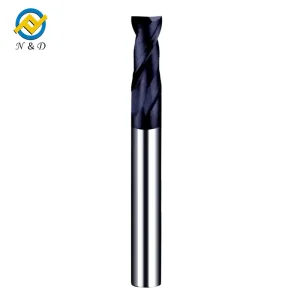
In high-precision subtractive manufacturing, the demand to cut deep slots, intricate mold pockets, and complex aerospace monolithic components has increased exponentially. Legacy tooling systems relied on standard length-of-cut end mills, which required multiple setups, generated excessive tool wear, and increased risk of mechanical failure. The transition to high-performance Extended Reach End Mills represents a paradigm shift. These tools feature optimized neck configurations, custom reach extensions, and engineered neck relief designs that isolate the active cutting edge while offering maximum stability to the primary shank.
By maintaining a reinforced core taper and short cutting flutes at the working tip, operators can execute milling strategies at depths exceeding 5xD, 8xD, or even 12xD reach. The primary engineering goal is deflection mitigation. Through structural FEA (Finite Element Analysis) optimizations, leading global manufacturers have altered the structural core geometries, reducing torsional stress and preventing harmonic chatter at the cutting interface. This shift is critical to meeting the demands of dynamic toolpaths, where consistent radial engagement and ultra-high speeds are standard.
The geometry of a premium extended reach carbide tool is engineered at both macro and micro levels to balance rigidity with chip evacuation efficiency:
Reduces raw material waste and setups. Optimizes tool utilization by up to 35% through robust structural geometry and specialized wear-resistant designs.
Engineered core tapers dynamic tool deflection by up to 60%, maintaining strict tolerances in hard-metal and deep pocket milling applications.
Manufactured using ISO 9001 certified micro-grain tungsten carbide, providing certified metallurgical traceability for aerospace and defense clients.
In the modern manufacturing landscape, procurement strategies have evolved beyond simple per-unit cost analysis. Procurement managers at major aerospace, automotive, and mold-making firms focus on the Total Cost of Ownership (TCO). High-performance extended reach end mills offer clear ROI by reducing processing time and extending tool life, which minimizes machine downtime.
Key sourcing trends highlight the need for supply chain diversification and reliability. Procurement agents prioritize partners that offer robust technical support, predictable lead times, and customization options (OEM/ODM). As tooling requirements become more specialized, standard catalogs are replaced by custom tool shapes tailored to specific component geometries.
Furthermore, the transition to high-speed dynamic trochoidal toolpaths requires high-precision tooling that can handle higher feeds and speeds without breaking. Working with manufacturers that control the entire production process—from raw tungsten carbide powder to 5-axis CNC grinding and in-house coating—ensures consistent quality, batches that match strict runout tolerances, and reliable performance across operations.

Combining Sichuan's metallurgical resources with advanced 5-axis robotic machining to deliver industrial tooling globally.
Operating from our primary production center in Guanghan, Sichuan Province, China, our company represents the integration of specialized regional metallurgy and digital manufacturing. Founded in 2004, our facility has transitioned from standard manual tool grinding to a **Smart Factory 4.0 model**. Sichuan is home to some of the world's largest high-grade tungsten deposits and refining centers, giving our facility direct, secure access to premium raw materials. This localized supply chain reduces transport costs and shields our global clients from raw material price volatility.
In our Factory 4.0 ecosystem, raw micro-grain and nano-grain carbide rods are processed through automated manufacturing lines. We utilize **advanced 5-axis CNC gear and tool grinding systems** linked to automated loading systems. This allows for unmanned production shifts, which lowers production costs while maintaining high geometric precision. Integrated laser sensors measure critical parameters in real time, automatically compensating for wheel wear to keep runout tolerances within ±0.002mm.
By combining raw material access with automated manufacturing, we can efficiently serve high-volume and high-mix, low-volume (HMLV) orders. From custom carbide engraving bits to complex extended reach ball nose mills, our smart factory provides consistent quality, robust supply lines, and cost efficiency for buyers in over 60 countries.
A metallurgical guide to the steps involved in transforming raw tungsten carbide powder into high-precision end mills.

We blend sub-micron tungsten carbide powder, cobalt, rare earth dopants, and grinding fluids in ball mills to create a highly homogeneous alloy slurry.

The slurry is spray-dried to remove the solvent, then blended with organic binding agents to form free-flowing spherical pressing granules.

Granulates are compressed under high pressure inside precision molds, forming dense green carbide rods ready for thermal consolidation.

Rods undergo HIP (Hot Isostatic Pressing) sintering at 1450°C. This eliminates internal porosity, resulting in fully dense carbide blanks.

Blanks are ground on 5-axis CNC grinding machines under constant cooling to shape the flutes, core taper, and cutting edges.

Finished tools are inspected using non-destructive laser measuring systems to verify geometric parameters, surface finish, and runout tolerances.
Selecting the right substrates, physical coatings, and milling strategies for demanding industrial applications.
An end mill's performance depends heavily on the quality of its substrate. Standard carbide tooling often uses grain sizes between 0.8μm and 1.0μm. In contrast, our premium extended reach end mills are manufactured from sub-micron (0.4μm to 0.6μm) and nano-grain tungsten carbide matrices. Reducing the grain size increases the density of tungsten carbide grain boundaries per unit area, which blocks dislocation movements and prevents crack propagation.
To maintain high durability at the cutting edge, we optimize the Cobalt binder ratio between 10% and 12%. Cobalt acts as the ductile matrix holding the hard tungsten carbide grains. For extended reach applications, which are prone to deflection, our engineering team balances toughness and hardness to prevent both brittle failure and excessive tool wear.
In deep pocket milling, high heat generation and chip evacuation are major challenges. Uncoated tools wear quickly due to thermal degradation. To prevent this, we apply specialized physical vapor deposition (PVD) coatings:
Milling performance depends on matching the tool to the application:
Why Tier-1 industrial buyers, aerospace suppliers, and mold-making shops partner with us for high-precision tooling.
We provide comprehensive customization services, offering engineered solutions tailored to your specific application, geometry, and coating requirements.
Our sub-micron tungsten carbide substrate offers excellent wear resistance and thermal stability, extending tool life and ensuring consistent cutting results.
Engineered geometries and optimized flutes speed up material removal and reduce cycle times while maintaining high surface finish quality.
We offer full engineering assistance, including cutting data recommendations and after-sales support, to help you get the best performance from your tools.
Stay informed with research, field reports, and manufacturing updates directly from our engineering team.

Our engineering team outlines new methods for closed-loop tungsten carbide recycling. This approach reduces carbon emissions by 40% while maintaining the performance and mechanical properties of the recycled tools.
Read Technical Paper →
A comprehensive review of the microstructural engineering of tungsten carbide. This article examines grain growth inhibitors, such as vanadium carbide and chromium carbide, and their role in preventing binder pooling during sintering.
Read Technical Paper →
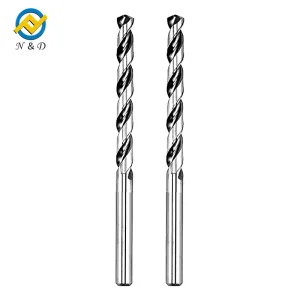
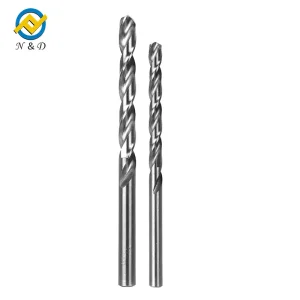
A performance case study evaluating solid carbide twist drills equipped with advanced internal coolant channels. Results show a 2.5x increase in chip evacuation rates when drilling deep holes in high-temperature alloys.
Read Technical Paper →Expert engineering answers to common technical questions about tool deflection, pocket milling, and milling parameters.
Explore our highly reliable tooling, engineered with optimized geometries and wear-resistant substrates for robust machining operations.
 N&D Carbide