In the realm of CNC machining and precision engineering, selecting the right tool is the difference between operational excellence and material failure. While both tools are used for material removal, their mechanical physics are fundamentally different.
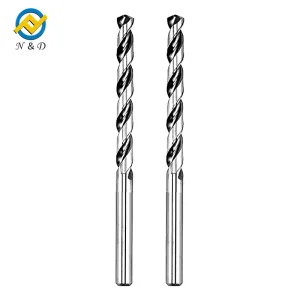
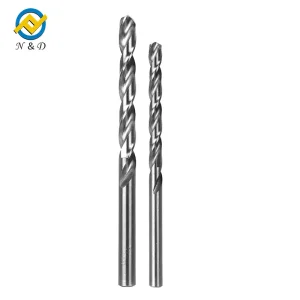
A drill bit is engineered specifically for axial cutting. Its geometry, defined by the chisel edge and flutes, is designed to create cylindrical holes by plunging vertically into the workpiece. In high-stakes manufacturing, the Cobalt Twist Drill offers superior heat resistance, maintaining structural integrity at high RPMs.
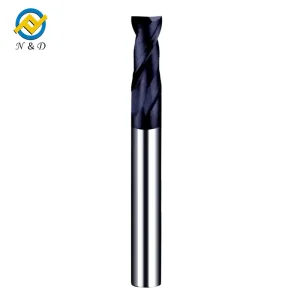
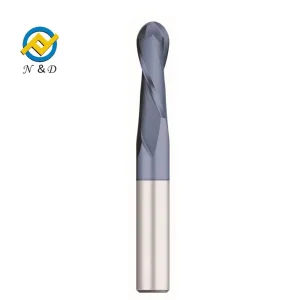
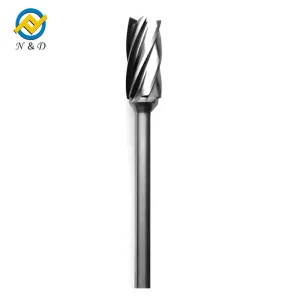
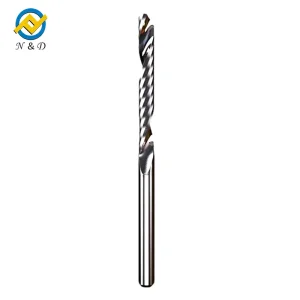
Unlike drill bits, the End Mill is a versatile powerhouse capable of cutting both axially and laterally. Its peripheral cutting edges allow for contouring, slotting, and complex 3D profiling. Our Tungsten Carbide End Mills (2-flute and 4-flute) provide the rigidity needed for high-feed rates in aerospace-grade alloys.
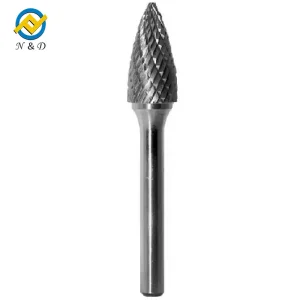
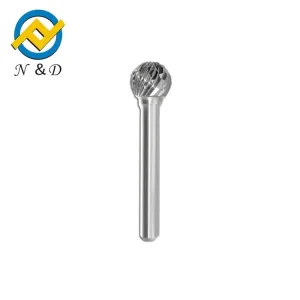
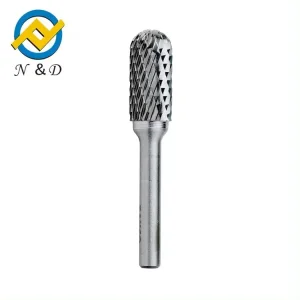
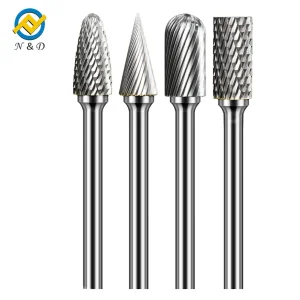
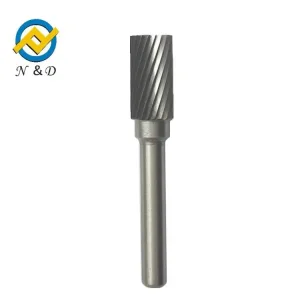
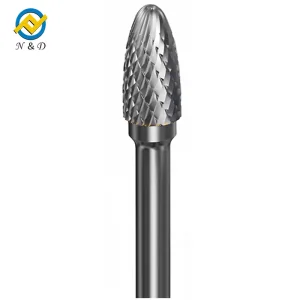
Bridging the gap are Tungsten Carbide Rotary Burrs. Used for finishing, deburring, and intricate carving, these tools leverage the hardness of cemented carbide to refine surfaces where standard drills or mills might be too aggressive.
The global tooling market is shifting toward Advanced Ceramic Coatings and Nano-Grain Carbide Substrates. As industries move toward miniaturization (electronics) and high-strength materials (titanium and Inconel), the demand for "High Precision" over "High Volume" has redefined factory outputs.
Factories are now adopting "Dry Machining" techniques to reduce environmental impact. This requires tools with higher thermal stability, such as our Cobalt-alloyed twist drills, which can withstand friction without coolant.
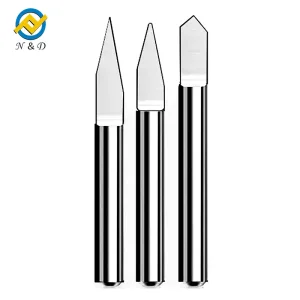
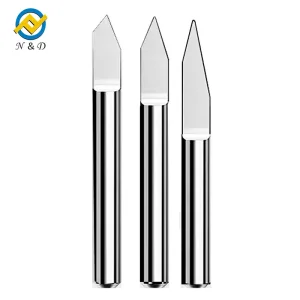
The rise of the 5G and semiconductor industries has spiked the need for Carbide CNC Cutter Engraving Tools. These tools offer the micron-level accuracy required for circuit board routing and mold manufacturing.
Modern production lines use sensors to monitor tool wear. High-quality tungsten carbide remains the preferred substrate because its wear pattern is predictable, allowing for optimized tool changes in automated cells.
Founded in 2004 and headquartered in Guanghan, Sichuan Province, we represent the pinnacle of Chinese manufacturing resilience. By integrating the full production cycle—from wet grinding to 5-axis CNC gear opening—we ensure supply chain stability for global partners.
Years of Expertise
Master Technicians
Countries Served
CNC Precision
Procurement officers in the US, Europe, and SE Asia are moving away from middlemen. Direct Factory Quotes for tungsten carbide tools provide a 30-40% cost advantage while ensuring material traceability.
We provide one-stop customization. Whether it’s a specific ball nose radius or a custom flute angle for a unique alloy, our engineering team delivers rapid prototyping.
Located in the heart of China’s industrial belt, our logistics network ensures that even during global disruptions, our "Factory Outlet" model maintains inventory for our 60+ country network.
Yes, but with caveats. Center-cutting end mills can plunge like a drill, but they are not optimized for deep hole chip evacuation. For holes deeper than 3x the diameter, a twist drill is recommended.
Quality is defined by grain size (sub-micron is better) and the cobalt binder percentage. Our tools use premium tungsten powder for maximum wear resistance and toughness.
Provide the material you are cutting, the tool diameter, flute count, and coating requirements. Our engineers will provide a quote based on your specific application needs.
The rounded tip is essential for 3D contour milling. It allows for smooth transitions on curved surfaces, common in mold making and aerospace components.
Our burrs are engineered for stability. The dynamic balance of our Type G and Type F burrs reduces vibration, protecting your hand tools and improving finish quality.
It refers to the integration of IoT, automated CNC cells, and data-driven quality control in our Sichuan facility, ensuring consistent excellence in every tool produced.
Whether you are in mining, construction, aerospace, or medical manufacturing, the choice between an End Mill and a Drill Bit—and the quality of the Carbide manufacturer you partner with—determines your competitive edge. Our commitment to Innovation, Precision, and E-E-A-T ensures that when you source from us, you aren't just buying a tool; you are investing in a legacy of Sichuan engineering excellence.
 N&D Carbide