Explore our primary selection of ultra-fine grain carbide milling instruments, engineered specifically for high-speed machining (HSM), complex dynamic roughing, and micro-precision profiling across severe duty cycles.
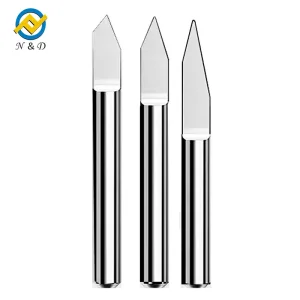
Precision-engineered for intricate pattern detailing and hard surface engraving. Features high-toughness substrates with advanced micro-grain integrity.
Get Quote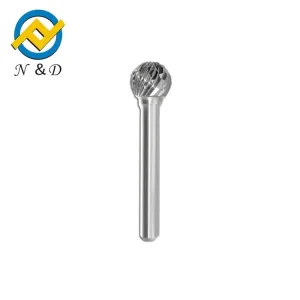
High-speed spherical milling head perfect for aggressive rapid material removal, contoured surface profiling, and localized deburring applications.
Request Price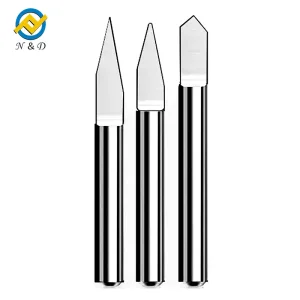
Optimized flat-bottom and V-groove architecture, tailored for high-precision CNC engraving of micro-components and industrial composites.
View Pricelist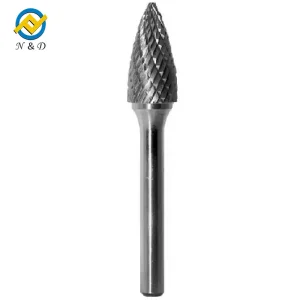
Dynamic tree profile featuring radial ball nose geometry. Provides seamless processing of hard-to-reach pockets and intricate fillets.
Get Quotes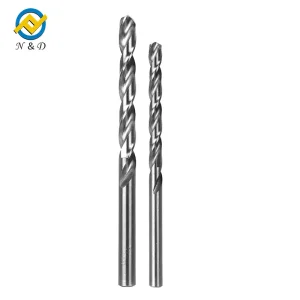
Ultra-high hardness drill bit with optimized chip-flute geometries for deep-hole drilling cycles in heavy alloy steel structures.
Find Factory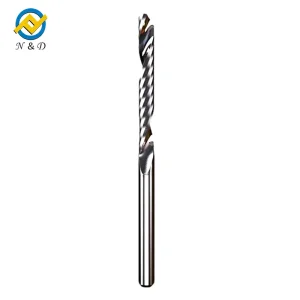
Engineered for non-ferrous material high-speed evacuation. Eliminates chip packing in high-speed machining of premium structural aluminum.
Get Quote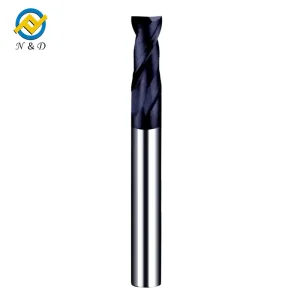
Heavy-duty dual flute milling cutter configured for optimized slotting, shoulder profiling, and high flank wear resistance.
Request Pricelist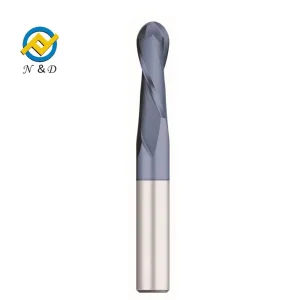
High-precision profile spherical end mill engineered for 3D continuous surface finishing of structural alloys and mold steels.
Get PricingThe global industrial sector is undergoing a profound paradigm shift driven by high-velocity manufacturing, advanced automation, and the widespread adoption of challenging aerospace-grade superalloys. CNC milling machine cutting tools form the foundational substrate upon which global manufacturing output is predicated. From modern electric vehicle (EV) structural battery trays to critical titanium orthopedic medical implants, the necessity for high-reliability, long-lasting tooling solutions is absolute.
As a leading tungsten carbide manufacturer founded in 2004, we analyze tooling requirements not merely as consumable inventory, but as core factors determining production cycle times, energy consumption, and surface finish compliance. By leveraging sub-micron tungsten carbide structural matrices, we mitigate the classic mechanical trade-off between extreme toughness and high hardness, allowing for significantly higher material removal rates (MRR) without sacrificing tool integrity.
Our metallurgical processes integrate advanced material control at every critical stage. Here is how we transform raw tungsten powder into precision industrial tools of extreme reliability.
Tungsten carbide raw powders are carefully mixed with Cobalt binder agents, rare active metals, aviation gasoline, and premium alloy balls inside an environment-controlled grinding mill to achieve extreme chemical uniformity.
The wet mixture undergoes precision drying to completely filter out the processing fuel carrier. Next, high-purity ginseng gum binder is introduced, generating highly flowable spherical powder granules optimized for consolidation.
Using advanced hydraulic molding presses, the dry compound powder is compressed into structural blank rods under extreme pressure. This stage establishes the structural pre-form geometry and density parameters.
The compacts are processed in vacuum sinter-HIP furnaces operating at temperatures exceeding 1400°C. Solid state particles sinter and collapse into a dense, solid, void-free matrix of maximum metallurgical integrity.
Sintered carbide blanks are ground on advanced 5-axis CNC grinding machines (e.g., Walter, ANCA). Flutes, relief angles, and margin dimensions are cut using diamond wheels with precision down to single microns.
Every finished cutting tool is subjected to laser profile measurement scanners. We inspect outer diameters, concentricity, micro-edge prep hone levels, and structural composition to ensure absolute repeatability.
High-performance milling is not achieved via one-size-fits-all tooling catalogs. Each metallurgical application demands a specific micro-geometry solution to counter thermo-mechanical stresses and chip deformation pathways. By tailoring the tool design for specific materials, tool life can be extended by up to 300%.
When machining Titanium and Nickel alloys (e.g., Inconel 718), low thermal conductivity directs heat back into the tool's cutting edge. We solve this by configuring unequal index flutes and variable helix angles (35° to 38°). This designs out natural harmonics, dampens self-excited machine vibration, and promotes continuous cooling liquid access to minimize edge degradation.
Machining aerospace structural aluminum components requires efficient chip flow to prevent catastrophic built-up edge (BUE). Our specialized Single-Flute and 2-Flute spiral configurations are ground with high positive rake angles, mirror-polished flutes, and DLC (Diamond-Like Carbon) coatings. This ensures a remarkably low coefficient of friction and rapid chip evacuation.
For tool-steel die and mold machining up to 65 HRC, we use nano-grain carbide substrates (0.2 µm to 0.4 µm grain sizes) in combination with extreme high-temperature multi-layer coatings (nACo or AlCrN). Negative rake designs reinforcement critical cutting edges, shifting loading forces from shear to compressive planes to prevent chipping.
Over two decades of dedication to industrial metallurgical innovation, high-precision machining solutions, and continuous quality system optimization.
Operating across global industrial supply chains means adhering to international quality systems and sourcing standards. We maintain strict compliance with ISO 9001:2015 quality management systems to ensure that every carbide tool batch exhibits identical physical properties and performance profiles.
Through strategic logistical channels, we streamline distribution pipelines, guaranteeing short lead times across the European Union, the Americas, and APAC regions. To support complex manufacturing workflows, we offer comprehensive localization resources:
Our development pipeline points toward zero-defect components, optimized heat management, and smart telemetry to empower highly automated machining operations.
Transitioning primary product lines to ultra-nano carbide matrices with grain sizes smaller than 0.2 microns. This enhancement boosts material hardness while maintaining high fracture toughness, extending tool life during dry hard-milling processes.
Co-developing tool shanks featuring embedded thin-film piezoelectric micro-sensors. These sensors transmit real-time vibration, temperature, and wear data directly to the CNC machine's controller for proactive adaptive tool wear management.
Expanding industrial buy-back initiatives to recover end-of-life carbide tools globally. Recovered materials are refined back into raw carbide powder through clean zinc synthesis, creating a fully sustainable, circular manufacturing ecosystem.
Find expert engineering answers regarding material properties, tool customization, speed optimization, and mechanical wear pathways.
Complement your machining setups with our extended portfolio of carbide rotary instruments, specialized cylindrical burrs, high-performance cobalt drills, and custom-ground shaping profiles.
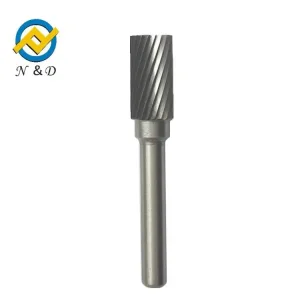
Straight wall geometry engineered for peripheral flat-surface cleaning, linear slot milling, and weld bead removal.
Request Price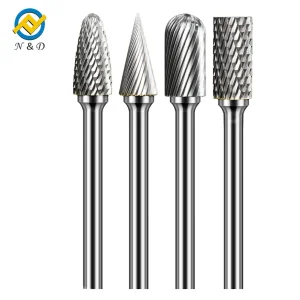
Versatile cross-cut tooth geometry designed to maximize operator control while minimizing tool chatter in hand-grinding applications.
View Prices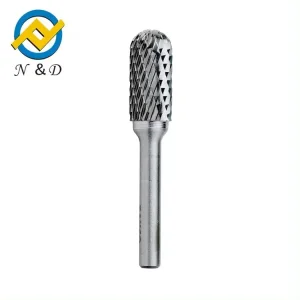
Combines straight cylindrical walls with a rounded hemispherical nose to handle both contouring and side-edge slotting.
Get Quotes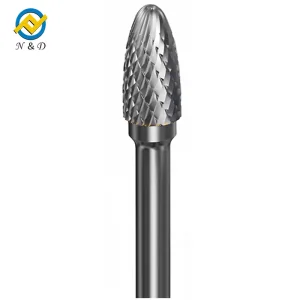
Optimized teardrop contour providing high clearance during aggressive blending, profiling, and die-sinking processes.
Get Quote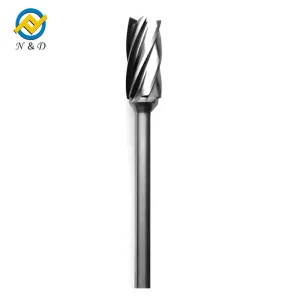
Wide-spaced single-cut flutes designed to handle soft, non-ferrous alloys without clogging or chip packing.
Best Price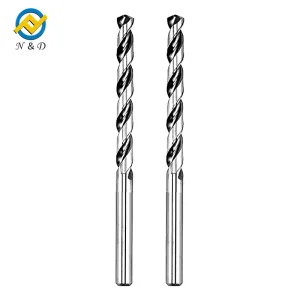
Premium M35/M42 high-speed steel alloyed with 5%-8% Cobalt. Exceptional thermal resistance for hand-held or CNC drilling.
Get Specs
Pointed tree shape geometry designed for machining narrow angles, profiling deep cavities, and processing tight radii.
Request Quote
High-Quality Type F ball-nosed geometry designed to process hard-to-reach pockets, complex interior profiles, and deep structural fillets.
Get Quotes N&D Carbide