Engineered for high-durability finishing, rapid stock removal, and absolute machining precision. Select our high-performance tungsten carbide tools for heavy machinery, automotive, aerospace, and engraving industries.
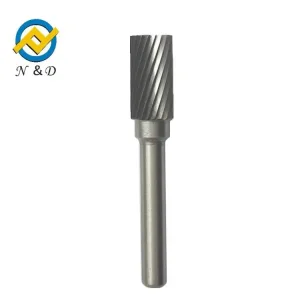
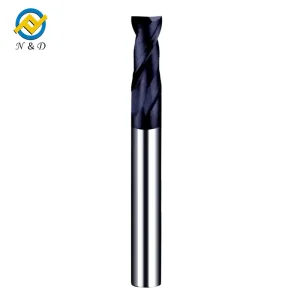
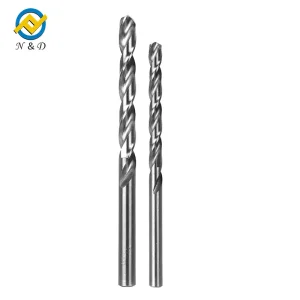
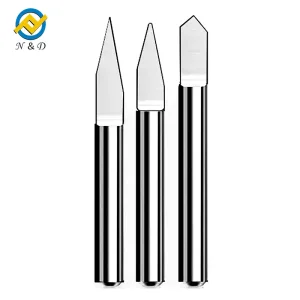
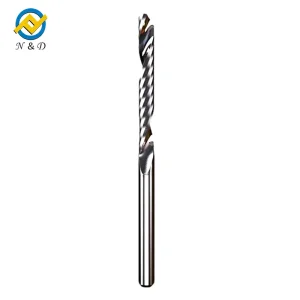
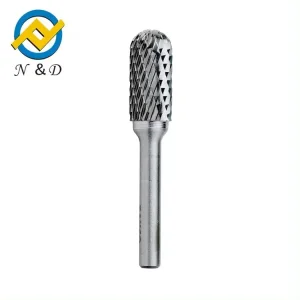
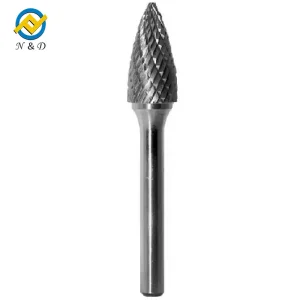
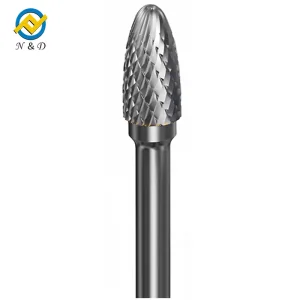
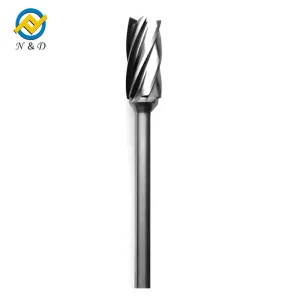
The global market for advanced cutting tools and abrasives has shifted dramatically from traditional High-Speed Steel (HSS) to ultra-dense Tungsten Carbide (WC-Co) compounds. Tungsten die grinder bits, also known as carbide rotary burrs, represent the peak of manual and automated finishing technologies. These tools are the backbone of rapid de-burring, weldment preparation, mold cavity adjustments, and material carving across industries.
In high-volume industrial environments, die grinder bits are subjected to extreme thermal loads and high frictional shear. Traditional tooling fails prematurely under such conditions due to thermal degradation and structural fatigue of the cutting edges. High-quality tungsten carbide, blended precisely with optimal cobalt matrices (ranging from 6% to 12% depending on the required toughness and hardness balance), withstands temperatures exceeding 800°C without losing its hardness. This thermal stability guarantees minimized cycle interruptions and ensures stable production throughput, establishing a low Total Cost of Ownership (TCO) for global workshops.
Procurement teams do not merely buy "bits"; they invest in tool life, structural consistency, and reliable dimensional tolerance. Understanding the precise metallurgy and raw material origin is key to maximizing material removal rates (MRR) and ensuring absolute operator safety.
The technical roadmap of modern tungsten carbide tool manufacturing is moving rapidly toward sub-micron and nano-grained structures. By refining the tungsten carbide grain size to under 0.5 microns, tool factories can simultaneously increase hardness (Vickers hardness ratings exceeding HV30 1600) and fracture toughness (K1C).
Uncoated carbide burrs are highly efficient for non-ferrous metals, but advanced multi-component thin-film coatings are rewriting performance baselines for stainless steel, superalloys, and titanium:

China produces and processes the vast majority of the world's tungsten resources. This deep upstream structural integration provides domestic factories with unbeatable raw material stability, price predictability, and logistical continuity.
Located in Guanghan, Sichuan Province, China, our state-of-the-art manufacturing campus operates directly within China's critical metals corridor. Sourcing from regional refineries ensures we maintain an uninterrupted, premium supply of high-purity virgin ammonium paratungstate (APT). This localization minimizes raw material logistics costs and eliminates import duties on raw ores, a financial advantage we directly pass to our global client base via highly competitive factory-direct pricelists.
Beyond proximity to resources, Sichuan's industrial ecosystem provides a highly skilled engineering workforce specialized in powder metallurgy. By integrating advanced raw material processing with automated multi-axis grinding technologies, we reduce lead times for custom-profile orders from the industry average of 45 days down to just 15 days, providing unparalleled operational flexibility.
Since our inception in 2004, our company has grown from a regional carbide refinery into an international engineering powerhouse, delivering heavy-duty grinding solutions worldwide.
Creating world-class tungsten carbide tools requires microscopic precision at every phase. We employ a rigorous, six-stage production process to ensure each bit meets absolute structural standards:
Precisely mix high-purity tungsten carbide powder, active cobalt binders, rare metals, aviation gasoline, and dense alloy balls to form a perfectly homogenized slurry.
Carefully dry the mixture, introduce ginseng gum as a pressing binder, and safely filter out the volatile aviation gasoline under highly controlled temperatures.
Utilize automatic powder compacting presses to mold the formulated tungsten carbide powder into highly dense green compacts with exact pre-sintered dimensions.
Subject the compacted blanks to high-pressure vacuum Hot Isostatic Pressing (HIP) sintering at temperatures above 1400°C to achieve pore-free, maximum density blanks.
Adopt advanced 5-axis CNC gear grinding machines to cut exact tooth openings, flute geometries, and rake angles for maximum operational performance.
Perform comprehensive metallurgical checks, digital optical measuring of tooth profiles, and concentricity inspections to guarantee zero runout before shipping.
Selecting the correct flute configuration (cut style) and head shape is critical to matching localized workflow requirements. Choosing the wrong tool configuration results in rapid chip loading, premature teeth failure, and poor surface finishes.
Single Cut (Standard Flute): Features a right-hand spiral flute designed for heavy-duty metal removal, long chip production, and hard material grinding (such as hardened steels, cast iron, and chrome-cobalt alloys). Single cut geometry prevents heat buildup by ejecting large chips fast.
Double Cut (Diamond Cut): Features intersecting flutes that cut across each other, breaking chips down into microscopic, easily manageable sizes. This pattern is ideal for general-purpose machining on steel, iron, brass, and plastics. It provides superior operator control, lower hand vibrations, and a premium smooth surface finish.
Different head profiles are engineered to address specific geometrical challenges within industrial workshops:
From custom shank lengths (up to 300mm for deep-reach cavities) to custom-designed cutting geometries, we manufacture tailor-made solutions mapped directly to your technical prints.
Our advanced vacuum-sintered micro-grain carbide provides extreme hardness, thermal stability, and exceptional resistance to flank and crater wear under heavy load conditions.
Accelerate material removal rates (MRR), shorten setup times, and reduce tool replacement frequencies, contributing to immediate savings in operational expenditures.
Our engineering experts provide on-site parameter optimization, speed (RPM) recommendations, and structural failure analyses to maximize tooling investments.
We adhere strictly to ISO 9001:2015 standards, maintaining meticulous traceability throughout all production phases from green powders to finished components.
Our regulatory-compliant packing formats, custom clearance documentation, and reliable air/ocean freight partnerships guarantee rapid, duty-optimized delivery.
Stay up-to-date with our technical publications and research initiatives covering global carbide trends, environmental manufacturing sustainability, and high-efficiency tooling tips:

Integrating green energy and closed-loop scrap recycling systems to minimize structural carbon footprints while improving virgin tungsten yields.

Analyzing structural raw material price fluctuations, high-entropy alloy blends, and emerging opportunities in next-generation aerospace fabrication.
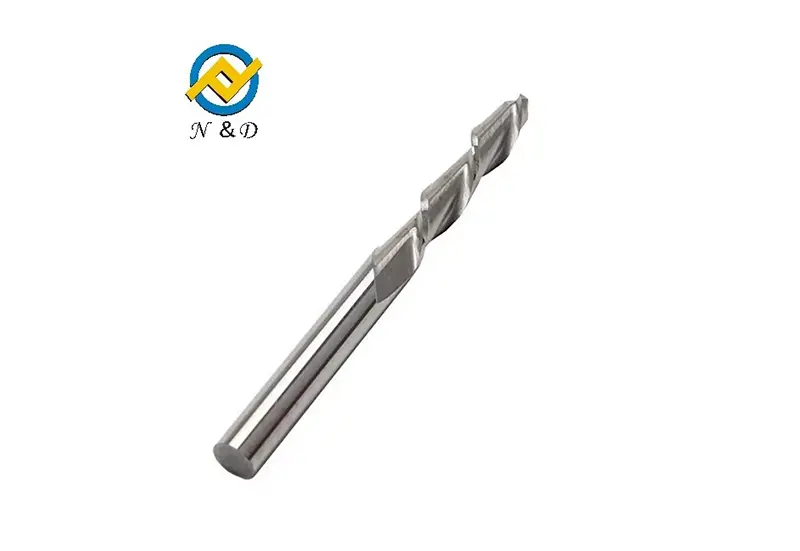
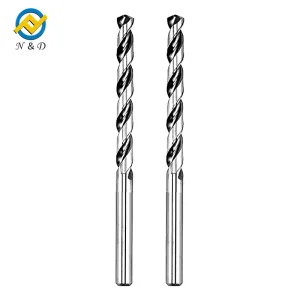
How optimizing solid carbide twist drills with tailored helix angles improves chip evacuation and thermal heat dissipation in high-strength steels.
Explore clear, highly technical answers regarding tungsten die grinder bits and our wholesale procurement structures:
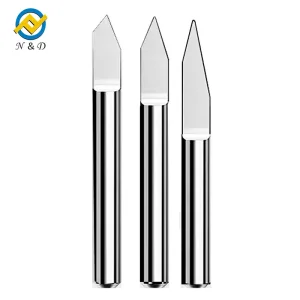
Review our second curated collection of high-performance tooling products. All items are manufactured with premium-grade sintered tungsten carbide to guarantee absolute precision and durability.
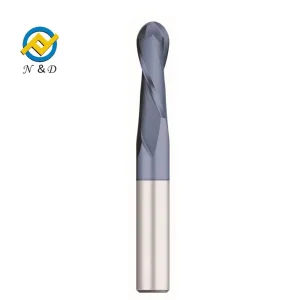
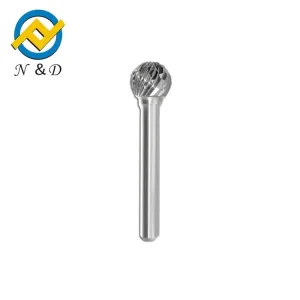
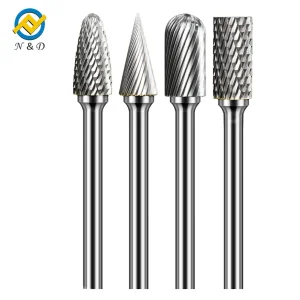
 N&D Carbide