Engineered for extreme wear resistance, micro-grain tungsten stability, and maximized chip-removal performance in harsh mechanical deburring operations.
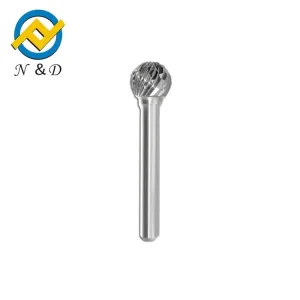
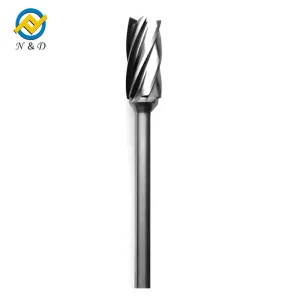
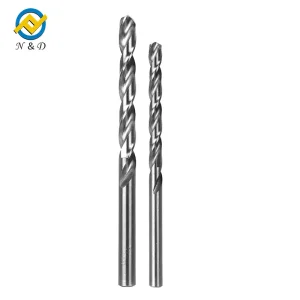
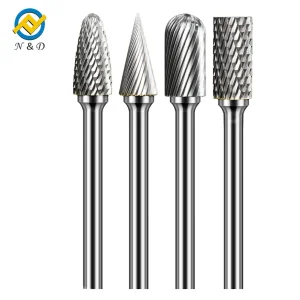
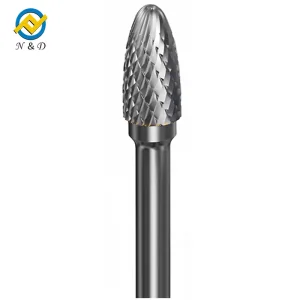
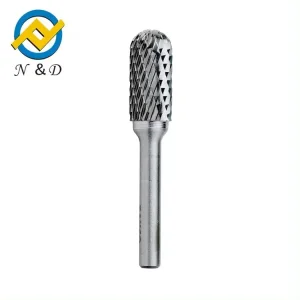
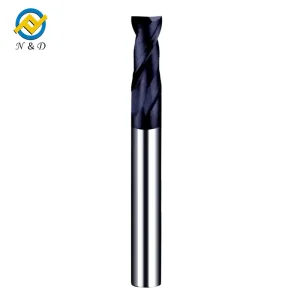
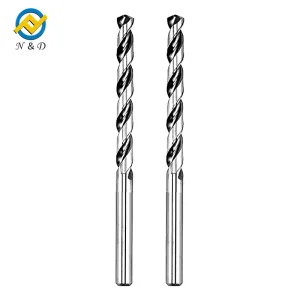
Unveiling advanced metal removal kinetics, cobalt-alloy matrices, and global micro-structural processing innovations shaping modern milling.
The progression of heavy-duty industrial tooling transitions from basic tool steels to ultra-refined Sub-Micron Tungsten Carbide (WC-Co) matrix systems. Integrating micro-grained cobalt structures dramatically limits intergranular crack propagation during aggressive high-RPM operation, offering ultimate durability across challenging alloy categories.
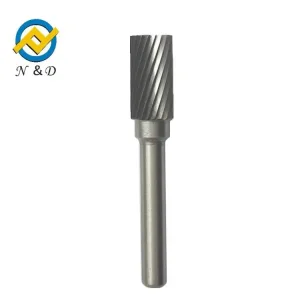
By using custom 5-axis CNC flute grinding methodologies, modern manufacturing presents custom configurations including Double-Cut (Diamond Cut) configurations for fine particulate dispersal, Single-Cut setups for optimized chip load in non-ferrous materials, and tailored Alu-Cut geometries that prevent catastrophic loading on aluminum profiles.
High peripheral velocities produce intense localized heat zones at the burr interface. Deploying dynamic thin-film physical vapor deposition (PVD) coatings like Titanium Aluminum Nitride (TiAlN) and Aluminum Titanium Nitride (AlTiN) produces a micro-thin thermal barrier, protecting the base carbide sub-structure from premature thermal stress cracking.
Based out of Sichuan Province, China, our specialized production facility has established a highly mature standard for custom carbide rotary burr engineering and industrial tool manufacturing.
As a leading supplier in the carbide tooling sector, our factory is recognized for specialized production of highly durable, industrial-grade custom tungsten carbide tools and rotary burr sets. Since our foundation in 2004, we have optimized our localized production processes in Guanghan, Sichuan Province, growing into an international partner servicing heavy industrial, automotive fabrication, aerospace, oil & gas, and naval engineering domains.
Our operational strength relies on a dedicated unit of over 120 experienced engineers, material researchers, and CNC technical professionals. Backed by rigorous process parameters, we consistently supply stable, ultra-precise tools manufactured to withstand complex mechanical deburring and milling challenges across over 60 countries.
Why Tier-1 industrial purchasing managers mandate custom geometries, verified chemical compositions, and certified batch manufacturing tolerances.
Machining complex parts made of titanium alloys, nickel-based superalloys (such as Inconel), and high-strength aviation aluminum requires highly optimized burr designs. Custom tooling ensures minimal micro-fracturing on precision structural profiles, reducing manual finishing costs while retaining structural integrity.
Automated casting lines require high-performance, long-lasting burrs with stable dimensional profiles. Custom rotary burr sets built for robotic deburring cells must maintain consistent cutter geometries, limiting process variance across thousands of operating hours.
Removing thick carbon steel weldments demands tools that can absorb severe mechanical vibration. Our specialized double-cut carbide configurations reduce operator fatigue and optimize material removal rates across heavy structural plates.
A deep dive into our quality control standards, illustrating every step from premium raw powders to fully inspected, high-performance carbide tooling.

High-purity tungsten carbide powder is milled alongside custom cobalt binders and rare additive metals using aviation gasoline to create a uniform, homogeneous slurry structure.

The milled wet mixture is dried inside controlled environments, adding organic binders while extracting solvents to yield free-flowing granulates optimized for pressing.

Using advanced multi-axial hydraulic compaction presses, the granules are formed under high tonnage into highly uniform, density-controlled green blanks.

The pressed green parts undergo sintering in computerized high-pressure furnaces at temperatures up to 1500°C. Sinter-HIP processing eliminates micro-porosity, creating highly dense, uniform carbide structures.

Precision-sintered blanks are ground using computerized 5-axis gear grinding machines. This stage ensures exact tooth angles, balanced flutes, and tight dimensional tolerances.

All finished products are checked using dynamic optical comparators, laser measuring tools, and balance testers to verify concentricity and core dimensional compliance.
By managing the entire value chain from initial powder preparation to final packaging, we ensure consistent quality, reliable delivery times, and complete technical support.
We work closely with clients to offer custom tooling solutions, delivering bespoke dimensions, tailored shank lengths, dynamic sets, and high-performance custom cutting designs built around your target workpiece materials.
Our advanced 5-axis CNC grinding machines and rigid quality processes maintain tight tolerances, ensuring concentricity and balance to prevent tool chatter, erratic spindle wear, and premature failures at high RPMs.
Through strategic raw material sourcing, large-scale sintering operations, and a highly efficient logistical setup, we maintain stable production schedules and provide consistent bulk tool supplies during fluctuating market cycles.
Technical parameters, material properties, and operational guidelines for selecting the optimal custom carbide burr setup.
Solid carbide rotary burrs operate at high peripheral speeds. Choosing the correct carbide substrate directly impacts tool life and productivity. Our custom formulations are optimized with key parameters:
| Carbide Grade Category | Cobalt Binder % | Grain Size (μm) | Hardness (HRA) | TRS (N/mm²) |
|---|---|---|---|---|
| Micro-Grain (Premium Standard) | 6.0% - 8.0% | 0.6 - 0.8 | 92.5 - 93.2 | 3800 - 4100 |
| Sub-Micron (High-Impact Heavy Duty) | 9.0% - 10.0% | 0.4 - 0.5 | 91.8 - 92.4 | 4200 - 4500 |
| Cobalt-Rich (High Thermal Shock) | 12.0% | 0.8 - 1.0 | 89.5 - 90.5 | 3500 - 3700 |
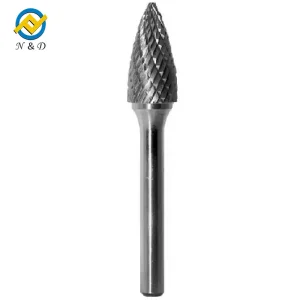
Choosing the correct tool shape is critical for optimizing tool life and machining quality. Our manufacturing portfolio covers a complete line of standard profiles:
For demanding deburring applications in tough aerospace alloys and stainless steels, applying premium PVD coatings delivers significant benefits:
Our production facility operates under strict global management standards, ensuring certified chemical tracing, raw material transparency, and efficient shipping networks.
Our manufacturing and processing lines adhere strictly to audited ISO 9001:2015 standards. Every manufacturing phase, from receiving raw materials to final dimensional checks, is documented for full quality control.
We source raw materials responsibly and verify that all tools meet RoHS and REACH regulatory standards. Every shipment is supplied with chemical batch reports verifying purity and alloy composition.
We actively support eco-friendly industrial practices through our dedicated tungsten reclamation programs. Our processes utilize clean, advanced technologies designed to lower energy usage and reduce carbon footprints.
Frequently asked questions regarding operating procedures, tool speeds, raw material selection, and custom tooling configurations.
The ideal operating speed depends on the burr head diameter and the workpiece material. Typically, standard 6mm (1/4") burrs should run between 15,000 and 30,000 RPM. Operating below the recommended range can cause tool chatter and chipping, while exceeding it leads to excessive localized heat build-up and rapid cutting edge wear.
Single-cut burrs feature a single, spiral right-hand flute. They are ideal for high material removal in softer metals like aluminum, copper, and plastics, producing long chips. Double-cut burrs include a secondary transverse cut, which breaks chips down into smaller pieces. This design improves operator control and provides a superior surface finish on harder materials like steel, stainless steel, and cast iron.
Aluminum and other non-ferrous metals tend to weld themselves onto the burr flutes at high operating temperatures. To prevent loading, we recommend using our specialized "Alu-Cut" flute profiles. In addition, applying localized lubricants, light grinding wax, or protective PVD coatings like DLC (Diamond-Like Carbon) can significantly reduce chip adhesion.
Yes. We provide complete OEM and ODM services. We can customize burr head dimensions, overall shank lengths, dynamic flute configurations, specialized packaging, and custom brand markings based on your specific industrial applications and batch requirements.
Standard catalog items are generally shipped within 3 to 7 working days. For custom OEM designs, complex head shapes, or high-volume orders, the lead time typically ranges from 15 to 30 days depending on blank preparation and sintering cycles. We work closely with our global logistics network to ensure reliable delivery timelines.
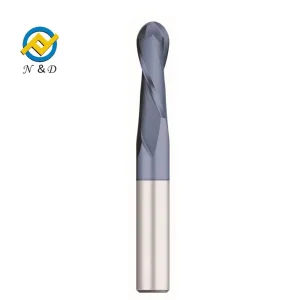
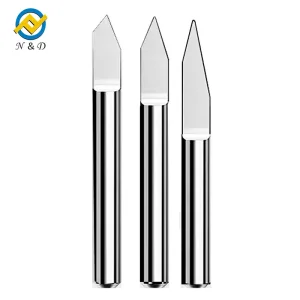
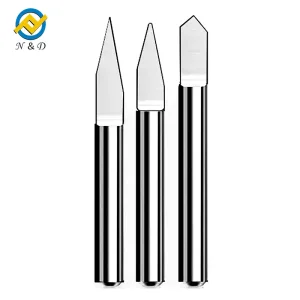
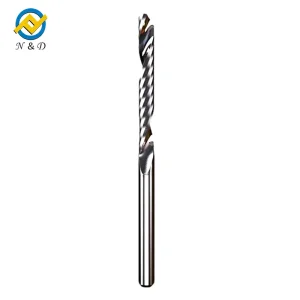
Explore our full selection of high-concentricity solid carbide end mills, heavy-duty cobalt twist drills, and specialized precision engraving bits.
 N&D Carbide