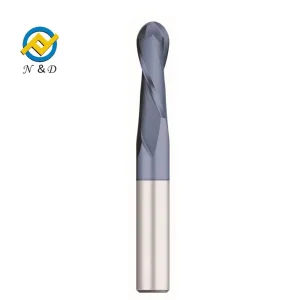
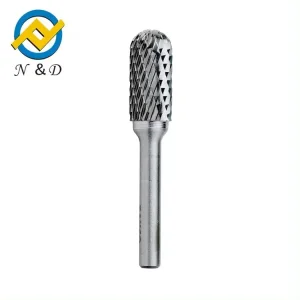
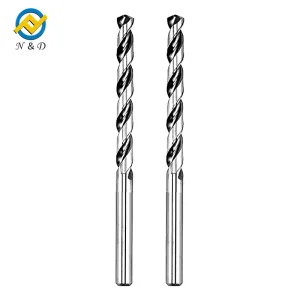
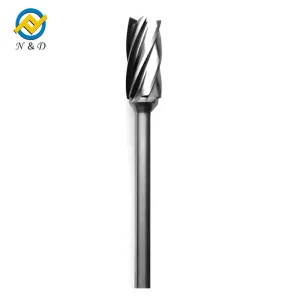
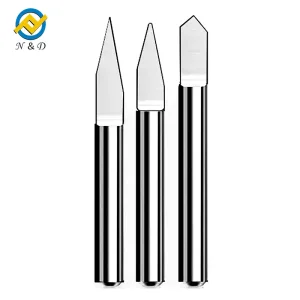
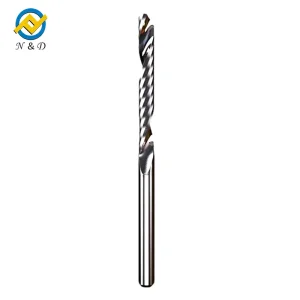
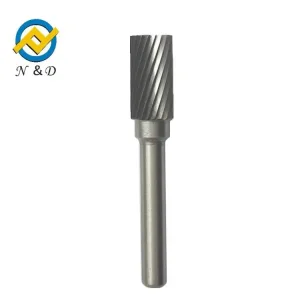
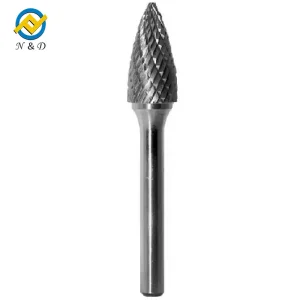
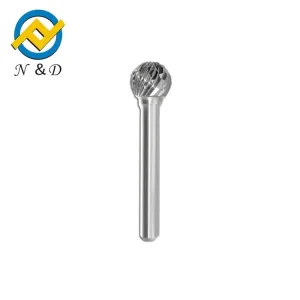
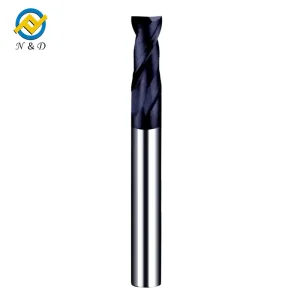
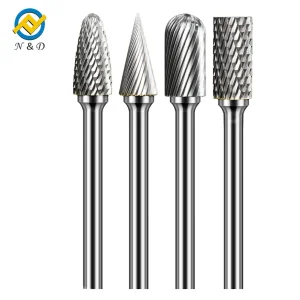
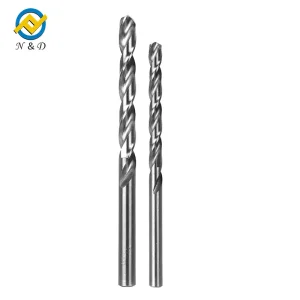
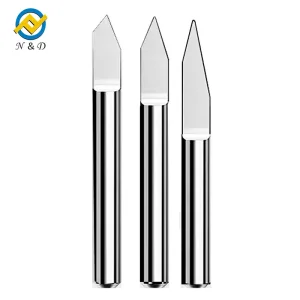
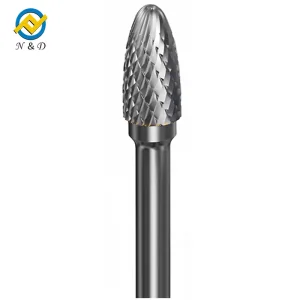
In the modern manufacturing landscape, the demand for precision, speed, and durability has never been higher. Solid carbide end mills represent the pinnacle of rotary cutting tool technology, serving as the "teeth" of CNC machining centers worldwide. As a premier manufacturer established in 2004, we have witnessed the transition from standard high-speed steel (HSS) to advanced sub-micron grain tungsten carbide, revolutionizing how aerospace, automotive, and medical industries process tough materials.
The global market for tungsten carbide tools is currently undergoing a structural shift. With the rise of Electric Vehicles (EVs) and high-density aerospace components, the "Search Intent" for cutting tools has moved from simple "durability" to "specific application optimization." Semantic search trends indicate that engineers are no longer just looking for a "milling cutter"; they are searching for "high-feed end mills for Titanium Grade 5" or "DLC coated carbide tools for non-ferrous machining." This white paper addresses these nuanced needs through deep technical insights and supply chain transparency.
Not all tungsten carbide is created equal. Our manufacturing process utilizes 0.4μm - 0.6μm micro-grain substrate. This ultra-fine grain structure provides an optimal balance of hardness (HRA 92+) and transverse rupture strength (TRS). When paired with cobalt binders (typically 10-12%), these tools can withstand the high thermal loads of dry machining while maintaining sharp cutting edges longer than standard grade materials.
Strategically located in Guanghan, Sichuan—a hub for advanced metallurgy—our factory leverages the local abundance of tungsten resources and a highly integrated industrial supply chain. This geographic advantage translates to:
Our R&D is currently focused on Nano-Composite Coatings and Variable Helix Geometry. These innovations reduce harmonic vibration during high-speed machining, extending tool life by up to 40% in stainless steel applications.
We provide region-specific technical data sheets (TDS) and safety data sheets (SDS) compliant with EU REACH and US OSHA standards. Local support centers in 15 countries offer real-time troubleshooting for CNC parameters.
Every tool undergoes a rigorous 100% inspection protocol using Zoller Genius equipment. We guarantee concentricity within 0.005mm, meeting the strict requirements of medical device manufacturing.

Wet grinding of tungsten carbide and cobalt with rare metals for a homogeneous alloy.

Removing solvents to create a ready-to-press powder with optimal flow properties.

Molding powder into blanks with consistent density to prevent sintering distortion.

Hot Isostatic Pressing sintering at 1450°C to eliminate micro-porosity.

Utilizing high-end CNC machines for precise geometry and flute sharpening.

Final quality control checking dimensional accuracy and surface finish.
A: The pricelist is influenced by the raw material grade (cobalt content), coating type (AlTiN, TiSiN, or DLC), geometry complexity, and order volume. Custom tool lengths and specific shank tolerances also play a role.
A: We utilize automated loading systems and continuous in-process laser measurement. Our 5-axis CNC grinders are calibrated daily to maintain tolerances within +/- 0.002mm.
A: Yes, we recommend our HRC65+ series featuring a multi-layer TiSiN coating and a variable helix design to minimize chatter and heat buildup.
A: Absolutely. We currently provide OEM services for several top-tier European tool brands, including laser marking, custom packaging, and proprietary geometry development.
 N&D Carbide