Premium Tungsten Carbide Solid End Mills, Rotary Burrs, and Cutting Tooling Direct from Factory Floor.
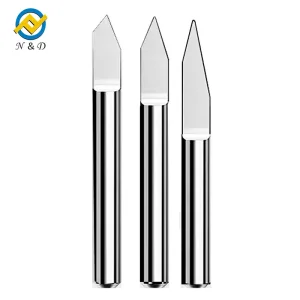
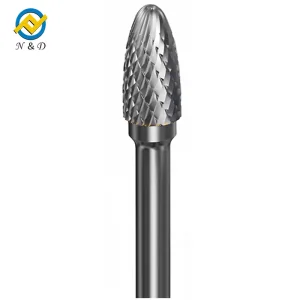
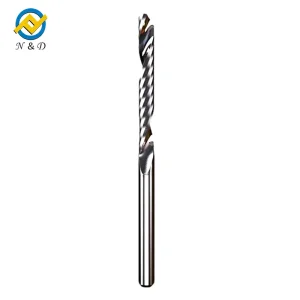
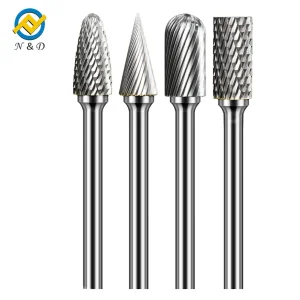
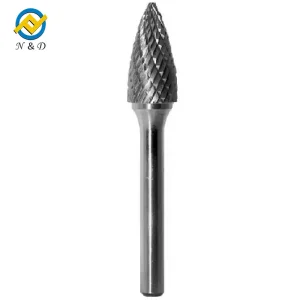
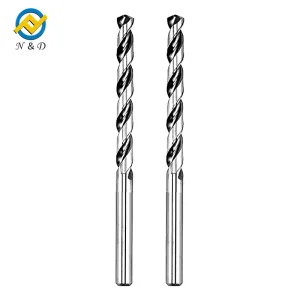
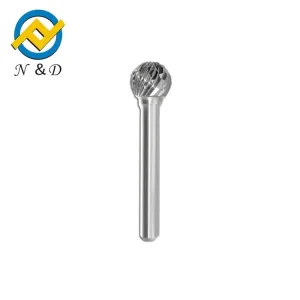
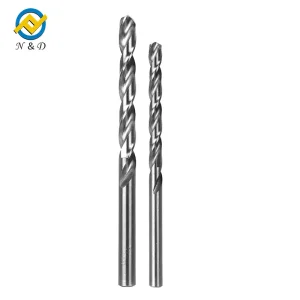
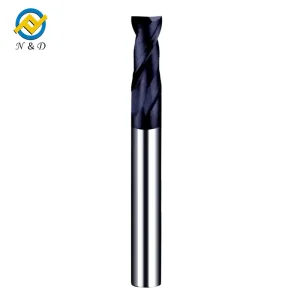
Unlike standard right-hand helix/right-hand cut tools, Left Hand Cut (Down-Cut) Carbide End Mills feature a unique geometry where the rotation direction and flute spiral force the cutting forces and chips downward into the machine table or fixtures rather than lifting them up.
This downward cutting pressure (force vector Z-) is essential in modern high-precision industries where workpiece stability is fragile. Standard upward-pulling forces generated by right-hand spiral mills easily delaminate composite layers, lift thin metals from vacuum tables, or cause micro-chatter in delicate setups.
"By reversing the axial force from tension to compression, Left-Hand Cut tools anchor the workpiece during aggressive feed rates, effectively utilizing the table support to eliminate micro-vibrations and edge chipping."
For custom engineering projects, mastering the helix angle and cutting edge transition in left-hand configurations dictates the surface roughness and structural integrity of carbon fiber reinforced polymers (CFRP), fiberglass, acrylic sheets, and multi-layered printed circuit boards (PCBs).
| Feature | Right-Hand Helix / Right-Hand Cut (Standard) | Left-Hand Helix / Left-Hand Cut (Down-Cut) | Primary Industrial Benefit |
|---|---|---|---|
| Axial Force Direction | Upward (Tension, pulls workpiece toward spindle) | Downward (Compression, pushes workpiece to bed) | Maximum stability on vacuum fixtures. |
| Chip Evacuation Pathway | Upward along flutes toward dust hoods | Downward toward bottom of slot / channel | Ideal for thin sheets and surface cladding. |
| Top Surface Edge Quality | Prone to burrs, delamination, tearing | Ultra-clean edges, zero delamination | Perfect for CFRP, G10, and high-density laminates. |
| Clamping Rigidity Requirements | Requires robust mechanical clamps / jaws | Compatible with low-profile vacuum suction beds | Reduces tooling setup times & fixture costs. |
Providing optimized industrial solutions to heavy-duty and precision manufacturing projects around the globe.
Aerospace tier-1 manufacturers continuously seek custom left-hand solid carbide tooling to rout and mill carbon-fiber skin panels. Eliminating delamination is critical to pass strict NDT inspections without structural defects.
Micro-drilling and routing in high-frequency multi-layer printed circuit boards require exact down-cut forces. Left-hand router bits prevent the micro-delamination of copper layers from fiberglass (FR4) sheets, ensuring circuit longevity.
Under small-diameter mechanical holding in Swiss lathes, workpiece displacement represents a critical risk. Left-hand tooling compensates structural lateral loads, allowing complex automated cycles to operate hands-free.

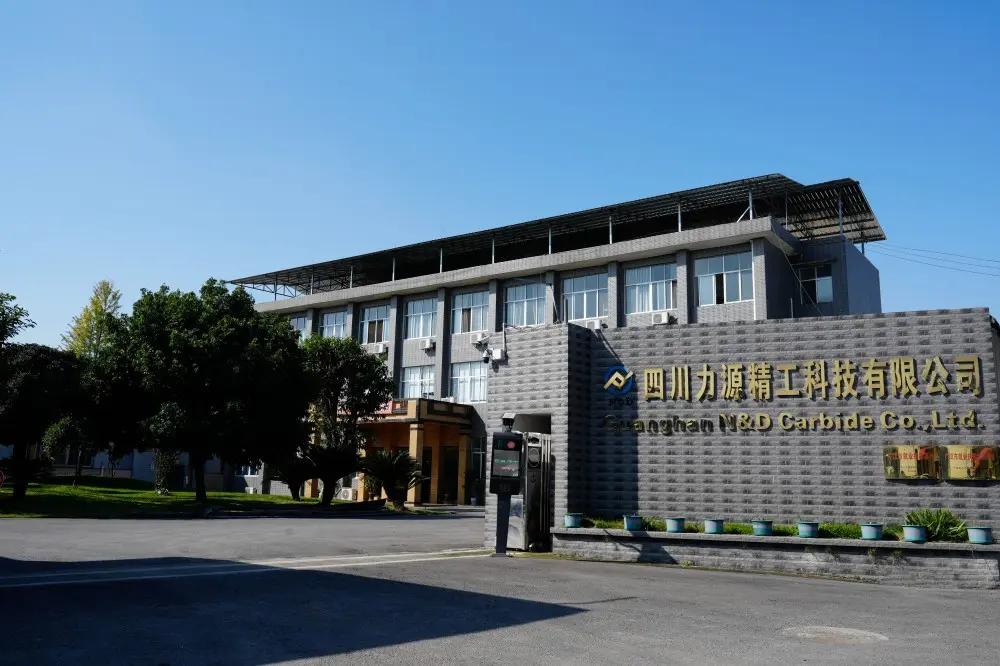
Operating from our modern manufacturing headquarters in Sichuan Province, China, we leverage the ultimate combination of high-density tungsten material and advanced machinery. Our vertically integrated industrial workflow ensures resilient lead times, strict batch-to-batch consistency, and cost-effective pricing structures.
By blending modern metallurgy with computer-monitored manufacturing, we produce submicron grain structures that achieve rock-solid rigidity and tool endurance under high thermal loads. This supply chain excellence enables us to keep global manufacturing lines running without material shortages.
Every batch of carbide end mills undergoes a comprehensive Walter Helicheck non-contact inspection process, ensuring dimensional margins down to ±0.005mm.

Precisely blend raw tungsten carbide, cobalt binder matrix, rare metals, and alloy balls under a protective wet milling environment.

Dry the highly-uniform mixture to remove moisture, introduce binder gums, and carefully filter out refining hydrocarbons.

Hydraulic compaction molds the refined submicron tungsten carbide powder into high-density solid green carbide rod blanks.

Thermal treatment inside high-pressure vacuum furnaces eliminates pores, securing maximum hardness and rupture strength.

Advanced multi-axis CNC machines cut the complex left-hand helical flutes and micro-engineered rake angles with extreme precision.

Comprehensive laser and geometric checks inspect carbide density, helix tolerances, and edge sharpness to ensure zero defects.
Designing tool geometries tailored directly to your production cycle, material density, and CNC environments.
Optimize chip control by choosing between 1, 2, 3, or 4 flute patterns, customized for different high-speed milling operations.
Maximize your tool life with advanced physical vapor deposition (PVD) coatings, including AlTiN, TiAlN, DLC, and nACo nano-composites.
Our strict internal quality management processes conform fully with modern international aerospace and automotive supplier standards.
Engineered core thickness resists lateral deflection under heavy chip loads and high feed rate configurations.
In-depth technical answers addressing setup mechanics, speed calculations, and tool-life maximization.
Stay informed about emerging manufacturing technologies and high-end tooling solutions.

Our organization has integrated zero-waste wet-milling recycling programs to significantly reduce carbon footprints without compromising carbide purity or cutting rigidity.
2024-09-29
Exploring mechanical innovations designed to bypass extreme global cobalt shortages by incorporating advanced cobalt binder blends and high-strength ceramics.
2024-09-29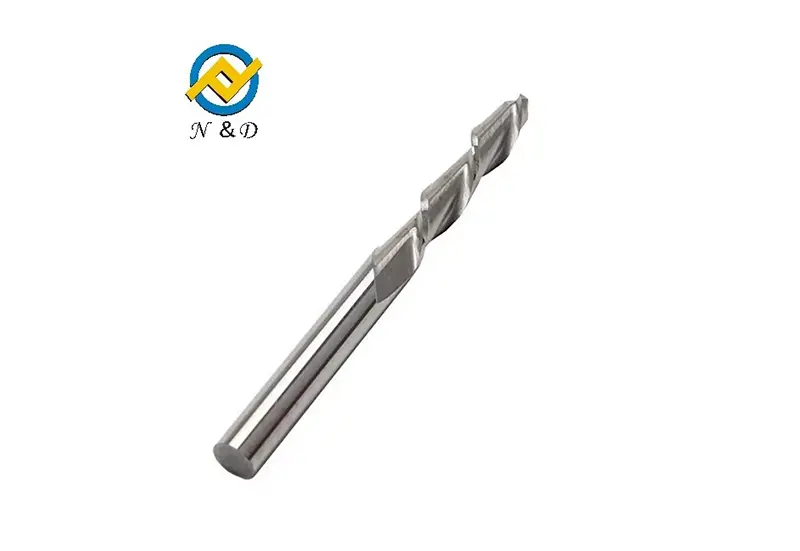
Introducing our newest multi-coolant hole drill tip profiles that improve heat dissipation and chip extraction in heavy metal drilling applications.
2024-09-29Premium grade solid carbide solutions built to meet custom commercial milling needs.
 N&D Carbide