Industrial Whitepaper & Strategy Guide

Custom End Mill Engraving Bits Manufacturers & Quotes

The authoritative engineering reference for global procurement teams. Secure high-precision tungsten carbide tooling engineered for modern CNC manufacturing paradigms.

Premium Engraving & Milling Products

Explore our flagship high-precision micro-machining carbide tools selected for rigorous industrial environments.
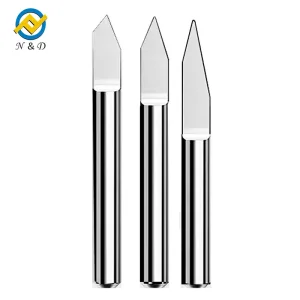
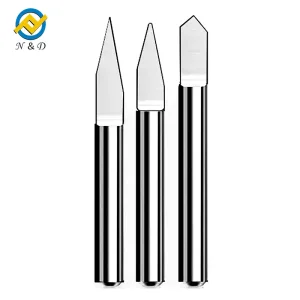
Carbide CNC Cutter Engraving Tools

High-Quality Carbide CNC Cutter Engraving Tools Manufacturers

View Details
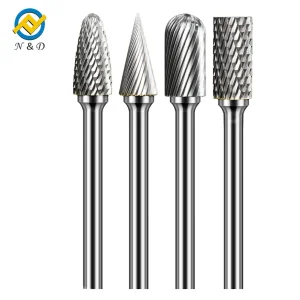
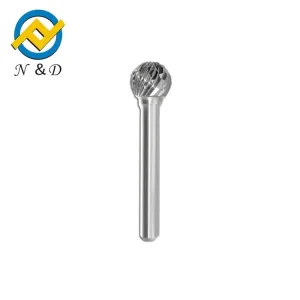
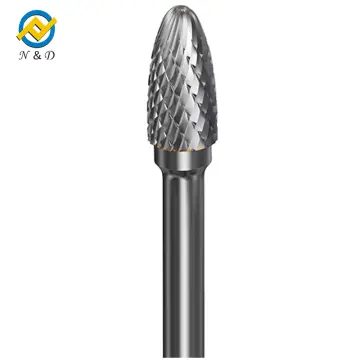
Tungsten Carbide Ball Shape Rotary Burrs

Custom N&D Tungsten Carbide Ball Shape Rotary Burrs Manufacturer

View Details
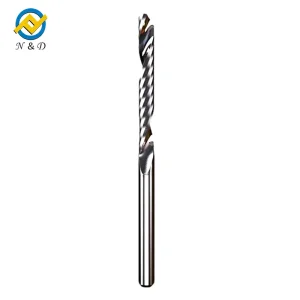
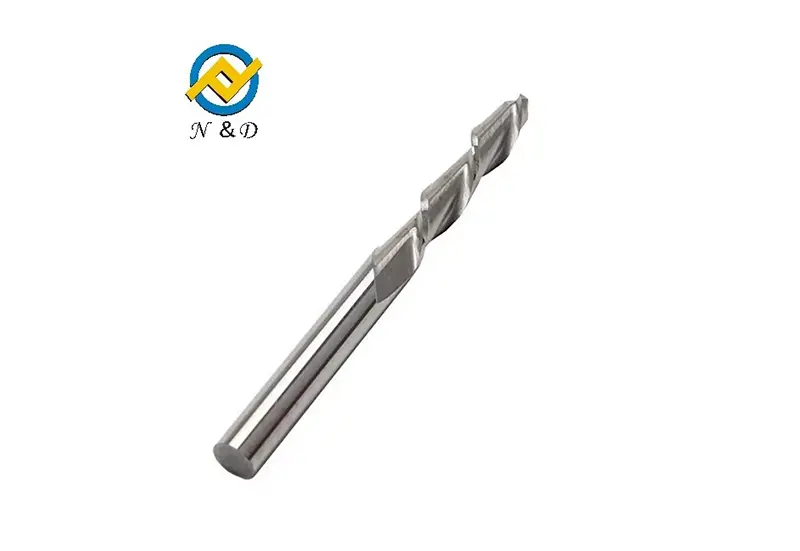
Tungsten Carbide Single Flute Spiral End Mill

High-Quality N&D Tungsten Carbide Single Flute Spiral End Mill Manufacturers

View Details
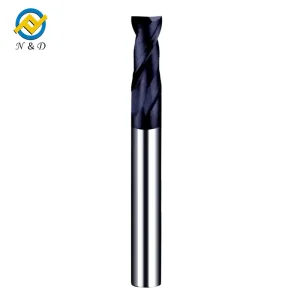
Tungsten Carbide End Mill 2 Flute Milling Cutter

Precision Engineering Tungsten Carbide End Mill 2 Flute Milling Cutter

View Details
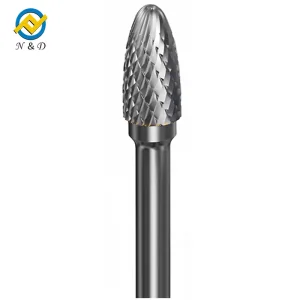
Tungsten Carbide Oval Shape Rotary Burrs

Custom Tungsten Carbide Oval Shape Rotary Burrs Customized Size Manufacturers

View Details
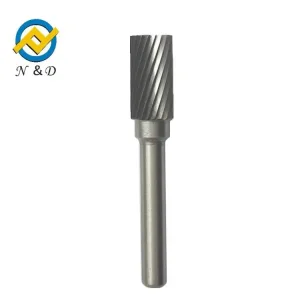
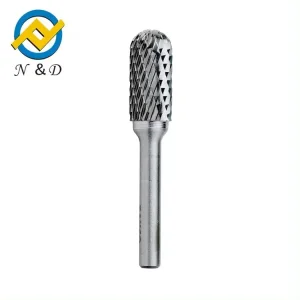
Tungsten Carbide Type A Cylinder Shape Rotary Burrs

High-Quality N&D Tungsten Carbide Type A Cylinder Shape Rotary Burrs Manufacturers

View Details
Tungsten Carbide Cutting Tool Engraving Bit

Custom Tungsten Carbide Cutting Tool Engraving Bit for CNC Manufacturers

View Details
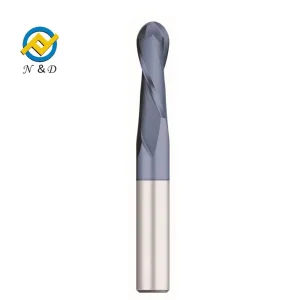
Tungsten Carbide Ball Nose End Mill

High-Quality Tungsten Carbide Ball Nose End Mill High Precious Manufacturers

View Details
Industry Insight

Global Industrial Status of Micro-Machining Tools

The global manufacturing sector is undergoing an aggressive transition toward miniaturization, extreme dimensional accuracy, and advanced surface finishes. High-performance micro-milling and engraving bits are the cornerstone of this paradigm shift. From complex aerospace structural panels and precision mold cavities to dense printed circuit board (PCB) profiling, microscale tools define the boundary of what can be physically manufactured.

Historically dominated by standard high-speed steels (HSS), the intense mechanical stresses and high thermal demands of modern materials like titanium alloys, stainless steels, and reinforced composites have made solid tungsten carbide the mandatory substrate standard. Global supply chains face severe challenges in balancing cost-efficiency with high consistency. Companies requiring customized tool geometries must look beyond off-the-shelf configurations to optimize cutting speeds, minimize tool deflection, and eliminate premature chipping.

In this high-stakes landscape, sourcing from vertically integrated manufacturers is a primary driver of technical and economic advantage. By matching specific workpiece characteristics (such as hardness and ductility) with tailored micro-grain substrates, aerospace and medical device manufacturers achieve significant increases in tool life and consistent surface finishes.

Precision Carbide Tooling Manufacturing Lab

Solid Carbide Metallurgy & Micro-Structural Engineering

Authoritative technical breakdown of sub-micron grain sizing, binder phase mechanics, and performance characteristics.

The performance of custom end mill engraving bits is dictated at the atomic level by the formulation of the sintered tungsten carbide matrix. Under extreme mechanical loads and high-speed cutting conditions, simple chemical compositions do not tell the whole story. Authoritative tool engineering requires a precise understanding of the interaction between the refractory carbide grains and the ductile cobalt binder phase.

Micro-Grain & Sub-Micron Sizing

By utilizing ultra-fine and nano-grain tungsten carbide particles (0.4μm to 0.8μm), we increase the total boundary surface area. This inhibits microscopic crack propagation, boosting both the raw hardness and transverse rupture strength (TRS) needed for intricate v-groove engraving.

Optimized Cobalt Binder Ratio

A precise balance of cobalt (typically 6% to 12%) is sintered into the substrate. Lower cobalt ratios maximize abrasive wear resistance and stiffness, whereas higher ratios provide the critical impact toughness needed for heavy interupted cuts.

High-Performance Nano-Coatings

Advanced physical vapor deposition (PVD) coatings, including Titanium Aluminum Nitride (TiAlN) and Silicon-doped variations, create a thermal barrier that allows microscale bits to operate at elevated temperatures without losing edge hardness.

Advanced Carbide Factory Facility
Corporate Heritage

Founded in 2004: Leading China's Precision Carbide Industry

Headquartered in the industrial hub of Guanghan, Sichuan Province, China, our enterprise has been a pioneer in the synthesis and machining of high-grade tungsten carbide materials. For over two decades, we have evolved from a specialized metallurgical lab into a fully integrated global supplier, serving high-demand industries like mining, aerospace, automotive, energy, and precision micro-manufacturing.

Our operations combine domestic resource security with state-of-the-art processing. Because China has access to premier tungsten ore reserves, we secure the finest raw powder inputs directly. This proximity, combined with our automated manufacturing, allows us to deliver high-precision tooling at competitive price points. By eliminating multi-tier distributor markups, global procurement teams receive top-tier, custom-ground solid carbide tooling with full metallurgical traceability.

2004
Established Year
120+
Expert Tooling Engineers
500+
Satisfied Global Brands
60+
Exporting Countries Served

Advanced Production Process & Quality Control

How we transform raw powders into high-precision, sub-micron tungsten carbide engraving bits through rigorous step-by-step processing.

1

Wet Grinding & Blending

Ultra-pure tungsten carbide powder is blended with cobalt binders, rare metal additives, aviation gasoline, and carbide balls. This mixture is wet-milled in high-capacity attritors to ensure a highly homogenous micro-suspension.

2

Controlled Drying & Filtering

The wet slurry is carefully dried inside specialized spray dryers. A binder like paraffin wax is introduced while aviation gasoline is extracted, producing free-flowing granulated powders with uniform chemical distribution.

3

High-Pressure Compaction

Using advanced automatic presses or extrusion machinery, the fine composite powder is compressed into near-net-shape green carbide rods under high pressure, maintaining a highly uniform density profile.

4

Sinter-HIP (Hot Isostatic Pressing)

Green rods are sintered at temperatures up to 1,450°C in controlled vacuum furnaces. The simultaneous application of high argon gas pressure (HIP) eliminates residual micro-porosity, maximizing structural density.

5

5-Axis CNC Precision Grinding

Sintered blanks are ground on ultra-precision Walter and Rollomatic 5-axis CNC machines. Optimized kinematic toolpaths grind highly accurate flute profiles, relief angles, and cutting edges under a continuous coolant stream.

6

Metrology & Final Inspection

Every production batch undergoes comprehensive quality audits. Using optical comparators, laser diffraction measurement, and scanning electron microscopy (SEM), we verify cutting edge geometries and ensure tool runout remains under 3μm.

OEM & ODM Strategic Tooling Solutions

Accelerating global procurement through custom engineering, manufacturing flexibility, and verified reliability.

⚙️

Complete OEM & ODM Customization

We provide tailored solutions covering specialized dimensions, step-diameters, custom helical paths, and targeted coating recipes. This ensures your custom engraving tools are optimized for your specific CNC setups.

Excellent Thermal & Physical Stability

Our sub-micron carbide grades deliver high hardness and resistance to thermal expansion. This ensures consistent cutting dimensions and reduces tool wear during dry or minimum-quantity-lubrication (MQL) cycles.

📈

Maximum Machining Efficiency

Optimized chip gullets and precision-honed cutting edges accelerate chip evacuation. This shortens cycle times and reduces tool wear, lowering your total production costs.

👥

Professional Technical Support

Our engineering team helps you resolve challenging machining issues. We offer technical support spanning CAD design reviews, speed and feed calculations, and comprehensive after-sales support.

Industrial Application

Custom Tool Geometries & Localized Production Scenarios

Different applications require specific tool geometries. Machining ductile plastics or aerospace-grade titanium demands very different cutting dynamics. Understanding these variables is critical to choosing the right tool geometry.

For example, Single Flute Spiral End Mills are ideal for machining aluminum alloys, acrylics, and structural polymers. The spacious, open-flute geometry facilitates rapid chip evacuation under high feed rates, preventing chip re-welding and high heat buildup.

Conversely, machining hardened tool steels, cobalt-chrome, or nickel alloys requires Multi-Flute Solid Carbide Micro-Mills. By distributing the mechanical load across multiple cutting edges, these tools improve cutting stability, minimize deflection, and extend tool life when machining hard materials.
  • Micro-Cavity Mold Making: High-precision milling of complex 3D profiles in tool steel (up to HRC 65).
  • Automotive Part Serialization: High-speed engraving of micro-characters on engine casings and structural brackets.
  • High-Density PCB Prototyping: Precise routing and engraving of copper-clad laminates without delamination.
  • Medical Device Machining: Ultra-precise carving of complex implants and high-purity orthopedic components.
Advanced Engraving Machine Processing Part

Industry Trends & Sustainable Manufacturing

Stay updated with our latest technical innovations, market analyses, and environmental sustainability initiatives.

Sustainable Manufacturing Concept
2024-09-29

Innovative Approach to Sustainable Tungsten Carbide Manufacturing

We are actively integrating eco-friendly manufacturing strategies across our production lines. This includes high-efficiency powder reclamation programs and advanced filtration systems to reduce environmental impact while maintaining quality standards.

Evolution of Tungsten Carbide
2024-09-29

The Evolution of Tungsten Carbide: Addressing Challenges and Opportunities

As aerospace, automotive, and mining industries demand tougher tooling, our metallurgical team is developing new composite matrices to handle extreme thermal and mechanical stresses.
Tungsten Carbide Twist Drill Innovation
2024-09-29

Tungsten Carbide Twist Drill Revolutionizes Drilling Efficiency

Our new twist drills combine high-rigidity core geometries with advanced thermal-barrier coatings. This design boosts drilling speeds and chip removal, improving efficiency for high-volume automotive production lines.

Expert Engineering FAQ

Direct answers to technical questions concerning cutting parameters, material pairings, tool life, and custom designs.

1. Why should we choose sub-micron solid tungsten carbide over premium HSS or Cobalt?
Solid tungsten carbide has twice the Young's modulus of high-speed steels (HSS), providing much higher rigidity. Under micro-machining loads, this high stiffness prevents bending, resulting in superior dimensional accuracy and longer tool life. Our carbide tools maintain edge integrity at high cutting temperatures, enabling faster processing speeds.
2. How does cobalt binder migration affect micro-engraving operations in high-heat environments?
Under high dry-cutting temperatures, the binder metal phase can migrate, which accelerates abrasive tool wear. To prevent this, we apply specialized PVD nano-coatings like TiAlN and AlTiN. These coatings act as an insulating barrier that channels heat into the chips, preserving the binder matrix and the cutting edge.
3. What is the optimal number of flutes for micro-engraving soft plastics versus hardened tool steels?
Soft plastics and non-ferrous metals like aluminum are best machined using 1 or 2-flute mills. The large chip pockets allow for rapid chip removal, preventing material melting and chip clogging. In contrast, hardened steels (above HRC50) require 3 or 4 flutes to distribute the chip load, which reduces edge chipping and yields a finer surface finish.
4. What design modifications can prevent micro-bits from snapping during plunge cuts?
We solve this issue by grinding a reinforced tapered core on the tool shank and using specialized end-cut geometries like a slight ball-nosed transition or a drop-radius relief. This design helps distribute axial forces away from the delicate tip, dramatically reducing the risk of catastrophic tool failure during high-feed plunging.
5. What is the process for submitting custom specifications to receive an accurate ODM quote?
We recommend providing a detailed technical drawing or 3D CAD model (STEP/IGS format) that specifies: the workpiece material and hardness, shank tolerances, neck relief lengths, flute counts, helix angles, and your preferred coating. Our engineering team will review the design and provide a detailed manufacturing quote within 24 to 48 hours.
6. How does your factory maintain high consistency and low runout across high-volume custom production runs?
We use fully automated 5-axis CNC grinding machines from leading brands like Walter and Rollomatic. These machines feature active thermal compensation and real-time grinding wheel measurement. This allows us to keep final tool runout under 3μm, ensuring high consistency across both small and high-volume production batches.
7. What is the standard production and shipping lead time for custom OEM micro-engraving bits?
Standard geometries are typically processed, sintered, ground, and inspected within 10 to 15 working days. For highly complex custom designs that require specialized tooling setups or custom PVD coatings, production lead times average 20 days. Fast air freight is available to deliver finished tools directly to your facility.
8. How does the Sinter-HIP process improve tool reliability compared to standard vacuum sintering?
Standard vacuum sintering can sometimes leave microscopic pockets of gas or porosity inside the carbide. Our Sinter-HIP process uses high-pressure argon gas during the sintering phase to close these voids. This increases the material's density, making the tool much more resistant to impact forces and unexpected failures during heavy machining.

Highly Engineered Machining Solutions

Select from our high-precision drilling, milling, and deburring products, engineered for long tool life and high accuracy.
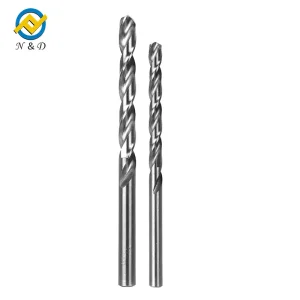
Solid Carbide Twist Drill

Custom The Ultimate Solution for Precision Drilling: Solid Carbide Twist Drill Manufacturers, Factories

View Details
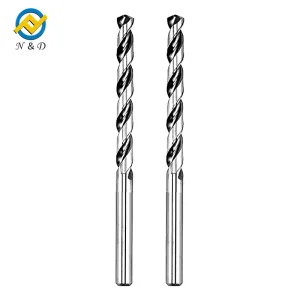
Cobalt Twist Drill

Custom Introducing the Cobalt Twist Drill: Precision Engineering, Superior Performance Manufacturers, Quotes

View Details
Tungsten Carbide Ball Nosed Rotary Burr Type F

High-Quality The Tungsten Carbide Ball Nosed Tree Shape Rotary Burr Type F Factory, Quotes

View Details
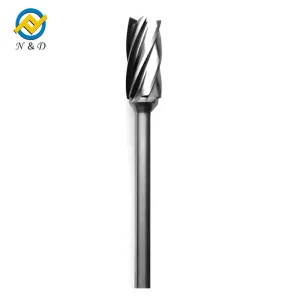
Tungsten Carbide Aluminum Rotary Burr

High-Quality Tungsten Carbide Aluminum Rotary Burr at the Best Prices

View Details
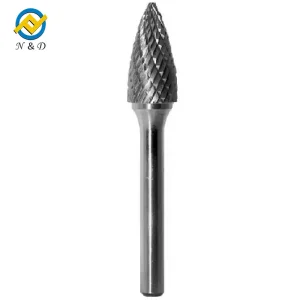
Tungsten Carbide Tree Shape Rotary Burr

High-Quality Type G Tungsten Carbide Tree Shape Rotary Burr Factory Outlet Manufacturer, Quotes

View Details
Tungsten Carbide Rotary Burrs for Precision Cutting

High-Quality High Quality Tungsten Carbide Rotary Burrs for Precision Cutting and Machining Manufacturer, Pricelist

View Details
Tungsten carbide ball nosed cylindrical burr

Custom Used in various precision engineering: Tungsten carbide ball nosed cylindrical burr Factories, Pricelist

View Details
Carbide CNC Cutter Engraving Tools

High-Quality Carbide CNC Cutter Engraving Tools Manufacturers, Factory

View Details