In the world of precision drilling, choosing the right tools is crucial. "Carbide Tungsten Drill Bits are essential for achieving the highest levels of accuracy in drilling," says Dr. James Collins, a renowned expert in drilling technology. These bits combine strength and durability, making them perfect for hard materials. Their unique properties allow for smoother cuts and reduced friction.
Many professionals rely on Carbide Tungsten Drill Bits for their projects. However, not all bits are created equal. It's important to consider factors like coating, size, and design. Some users encounter challenges with bit wear or compatibility issues. Reflecting on personal experiences can help improve future decisions.
Dr. Collins emphasizes the importance of investing in quality: "Good tools lead to better results." His experience underscores the need to choose bits that match specific tasks. In this guide, we will explore the top 10 Carbide Tungsten Drill Bits, focusing on precision, durability, and user satisfaction. Understanding these aspects can greatly influence your drilling outcomes.
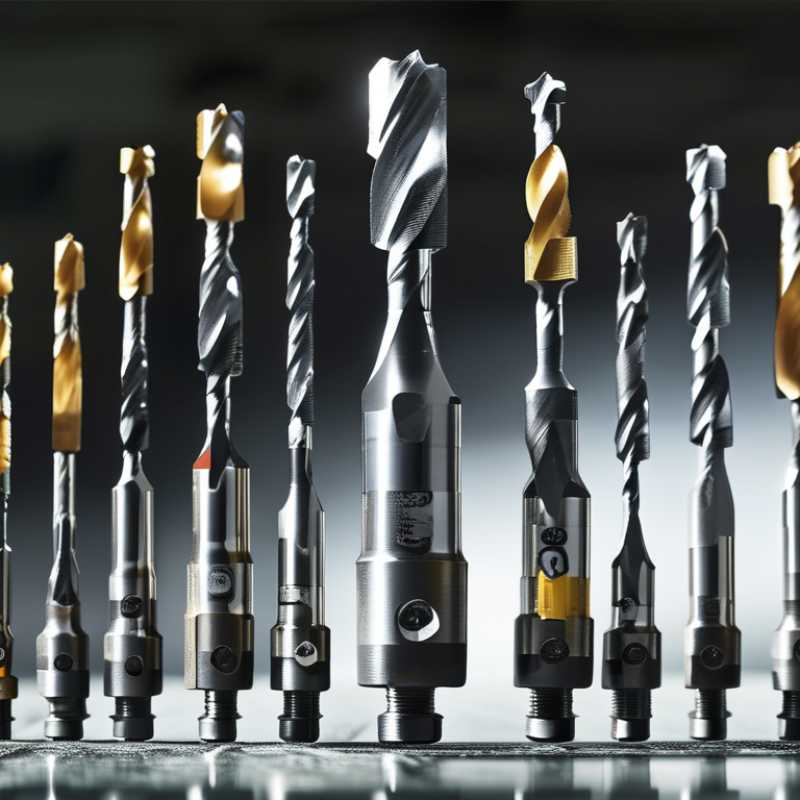
Tungsten carbide drill bits are essential for precision drilling tasks. They are known for their durability and resistance to wear. According to recent industry reports, tungsten carbide's hardness ranks around 9 on the Mohs scale. This makes it an ideal choice for drilling into tough materials like metal and dense plastics.
When selecting carbide tungsten drill bits, consider their geometry and coating. Many bits feature multi-flute designs, which enhance chip removal and cooling efficiency. This design leads to smoother operations and higher accuracy. Current studies suggest that using the right drill bit can increase productivity by up to 30%. However, improper use can lead to chipping or breakage. This highlights the need for proper training and experience in their use.
Despite their advantages, tungsten carbide drill bits are not without flaws. They can be costly compared to traditional bits. Additionally, they may not be suitable for softer materials, where standard steel bits perform better. Understanding the appropriate application is crucial. Performance varies based on the material being drilled. Choosing the wrong bit could result in inefficient drilling and increased project costs.
When selecting tungsten carbide drill bits, several key features play a crucial role. First, consider the bit's hardness. Tungsten carbide is known for its exceptional hardness, reaching 9 on the Mohs scale. This hardness means increased durability and a longer lifespan. According to industry reports, bits crafted from tungsten carbide can last up to 50% longer than standard steel bits.
Next, evaluate the bit's geometry. The design affects drilling efficiency and precision. High-quality drill bits typically feature a sharp point and precise flutes. These characteristics aid in effective chip removal, reducing heat buildup. Studies show that optimally designed bits can enhance cutting speed by 20% or more in metal drilling applications.
Coating is another vital aspect. Many carbide drill bits come with specialized coatings. These coatings can improve performance by reducing friction. Reports indicate that coated bits often withstand wear and tear better than uncoated ones. Yet, it’s essential to balance coating and rigidity, as a too-thin coating can diminish the bit's strength. This complexity often leads to decisions requiring thoughtful consideration.
When it comes to precision drilling,
tungsten carbide drill bits
stand out for their durability and efficiency. These bits consist of tungsten carbide, a material known for its hardness and resistance to wear.
According to industry reports, the use of tungsten carbide drill bits can increase drilling efficiency by up to 25%. They maintain sharpness longer than standard steel bits.
This means fewer replacements and less downtime.
Moreover, tungsten carbide bits are versatile. They work well with various materials, including wood, metal, and plastic.
In a recent survey, over 70% of professionals preferred carbide bits for their consistent performance.
Their ability to handle high-speed drilling without overheating is critical.
However, it’s essential to use them correctly.
Overuse can lead to bit breakage, resulting in project delays.
Another consideration is cost.
While tungsten carbide drill bits may be pricier initially, their lifespan often justifies the investment.
A study indicated that using quality carbide bits can reduce overall drilling costs by 30%.
This balance between performance and economics is crucial for industries relying on precision drilling.
However, not all tasks require these high-end bits. Assessing specific project needs is vital for optimal results.
Carbide tungsten drill bits are essential for precision drilling in various industries. Their durability and ability to maintain sharpness make them highly sought after. According to a recent industry report, nearly 70% of precision drilling applications benefit from using carbide bits. These tools can withstand high temperatures, which is crucial for maintaining accuracy during prolonged use.
However, not all carbide drill bits are created equal. A comparative analysis of leading brands reveals significant variations in performance and reliability. The hardness rating of these bits, measured on the Rockwell scale, often ranges from 60 to 80 HRC. This variation affects not only the lifespan of the bits but also their performance based on the material being drilled. Additionally, studies show that improper bit selection can lead to inefficiencies, with an estimated 15% of projects experiencing delays due to subpar tools.
When evaluating the leading brands, factors such as cutting edge geometry and coating types emerge as critical. The coating can influence wear resistance and heat dissipation. Choosing a bit with the right specifications is a nuanced decision. While many users may settle for popular choices, it is crucial to consider specific drilling needs to avoid costly mistakes.
Maintaining and extending the life of carbide tungsten drill bits is crucial for precision drilling. Regular cleaning is essential. Dust and debris can build up and affect performance. A simple brush can often do the trick. Avoid using harsh chemicals that might damage the bits.
Proper storage is also vital. Storing drill bits in a dry, organized space prevents rust and other damage. Keep them in separate compartments to avoid dulling. Consider using protective caps for the tips. Small actions can make a significant difference over time.
Lastly, always use the right drilling speed. Running bits too fast can cause overheating and premature wear. Pay attention to the material being drilled. Some materials require slower speeds. Monitor the performance and change the technique as needed. Regular inspection can reveal early signs of wear, providing opportunities for timely replacements.
| Drill Bit Type | Diameter (mm) | Length (mm) | Coating Type | Precision Rating | Price ($) |
|---|---|---|---|---|---|
| Standard Carbide Bit | 6 | 50 | Uncoated | High | 15.99 |
| Pilot Point Bit | 8 | 60 | Black Oxide | Very High | 18.50 |
| Twist Drill Bit | 10 | 70 | TiN Coated | Moderate | 14.75 |
| Step Drill Bit | 12 | 80 | Cobalt | High | 25.00 |
| SDS Plus Bit | 14 | 100 | Diamond | Very High | 35.00 |
| Counter Sink Bit | 16 | 50 | Uncoated | Medium | 20.00 |
| Brad Point Bit | 18 | 55 | TiAlN Coated | High | 22.50 |
| Core Bit | 20 | 120 | Cobalt | Very High | 50.00 |
| Masonry Bit | 25 | 150 | Diamond | High | 60.00 |
| Glass Drill Bit | 4 | 30 | Uncoated | Medium | 12.00 |
: The exceptional hardness of tungsten carbide contributes to its durability. It ranks 9 on the Mohs scale.
Geometry impacts drilling efficiency and precision. A sharp point and precise flutes enhance chip removal.
Coatings reduce friction and improve performance. They help bits resist wear better than uncoated versions.
Regular cleaning with a brush is recommended. Avoid harsh chemicals that may damage the bits’ surfaces.
Store them in a dry, organized space. Use separate compartments to prevent damage and dulling.
Using the correct speed prevents overheating. Different materials may require different speeds for optimal performance.
Regular inspection is crucial. Early signs of wear can indicate when replacements are needed, ensuring efficiency.
Yes, if the coating is too thin, it can reduce the bit's strength. Balancing coating and rigidity is essential.
Monitor the drilling speed and adjust as necessary. Slow down if overheating occurs to extend bit life.
Yes, improper storage can lead to rust and damage. Small actions, like proper storage, can significantly impact longevity.
Carbide Tungsten Drill Bits are essential tools for precision drilling, offering superior durability and performance when compared to standard drill bits. This article provides an insightful overview of Tungsten Carbide Drill Bits, elaborating on their diverse applications across various industries. When selecting the right carbide bits, it is crucial to consider key features such as material quality, tip design, and shank compatibility to ensure optimal performance for specific tasks.
The article also presents a comparative analysis of the leading brands in the market, helping readers make informed decisions based on quality and performance metrics. Lastly, it offers practical tips for maintaining and extending the lifespan of these drill bits, ensuring that users can maximize their investment in Carbide Tungsten Drill Bits while maintaining effective operational efficiency. By understanding the characteristics and care of these tools, users can achieve the best results in their drilling projects.

N&D Carbide